
Tirtha. There is much varied, detailed and fascinating information about this word on its Wikipedia entry. While I invite you to click the link and head over there to read what is truly a riveting story, for this post I wanted to focus on the word’s actual meaning, especially the metaphoric meanings it has acquired.
Tirtha is a Sanskrit word meaning ford, as in a place one fords or crosses a river, stream or other body of water. Over time, however places of religious pilgrimage began to be called Tirthas. This evolved because so many holy sites were on or near rivers or lakes, or were the water bodies themselves, or were located nearby.
Sacred sites, and places of pilgrimage often inspire in people a sense of leaving the ordinary material existence of their day to day lives, and entering a kind of other world, the world of the spiritual or non-material. This experience, which we might call spiritual or religious , is something people remember as being very special, even transformational; for them it speaks of a connection, even briefly, with the divine in the form or in the presence of that place or site.
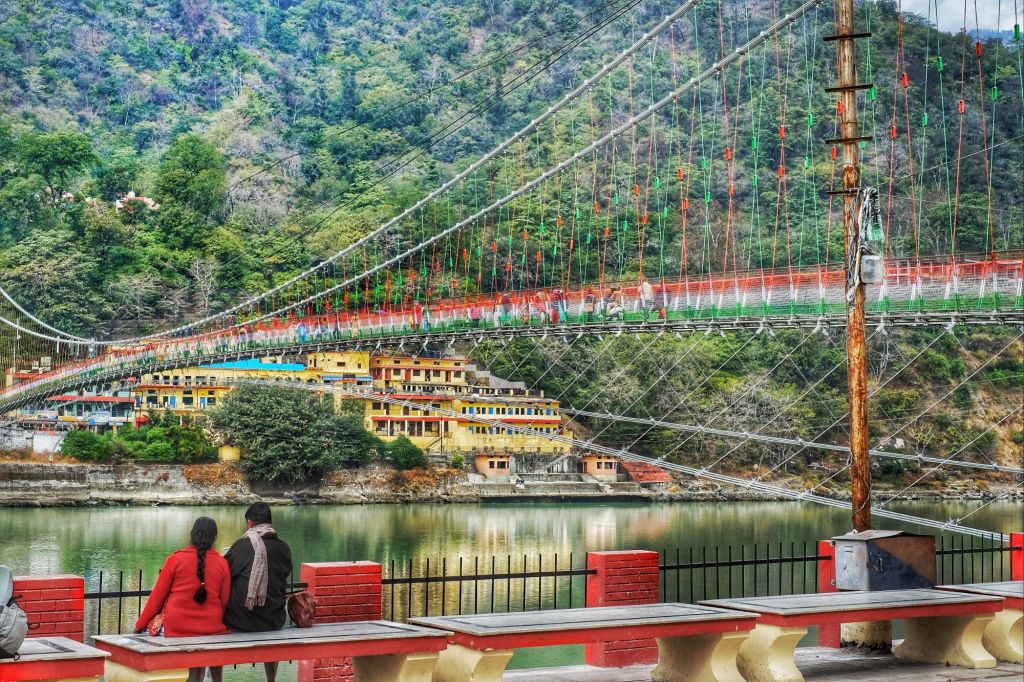
And after many years – centuries and millennia very often – the energies from sometimes countless pilgrims and their prayers, devotion, love and mere presence, accumulate and begin to permeate the atmosphere in that place as well as the very ground and sacred objects there.
To me this notion is reminiscent of the concept of thin places as described in Celtic Spirituality (though the concept by the same or other names exists for many cultures around the world. Sorry I’m not providing any links: there are so many!).
Some would say they are places where Heaven and Earth meet. Places where the boundary between the mundane world and that ‘somewhere else’ of the transcendent, is especially thin, and where crossing over, or connecting with that transcendent may be possible, or made easier than at other places.
Of course, as I’ve written in at least one previous post, I feel that we are always standing upon sacred ground; all things are sacred or holy. At the same time, I have, like so many others, experienced what seem to be very real connections to or mergings with something transcendent, something ‘spiritual’ as we like to call it, at specific sites or location.
A few of these places of my own transcendent experiences have been churches, temples, and other historically recognised sacred places. However, I would say that most of my own experiences have been at unexpected places, places where the ‘transcendent’ has been for me alone at that moment.
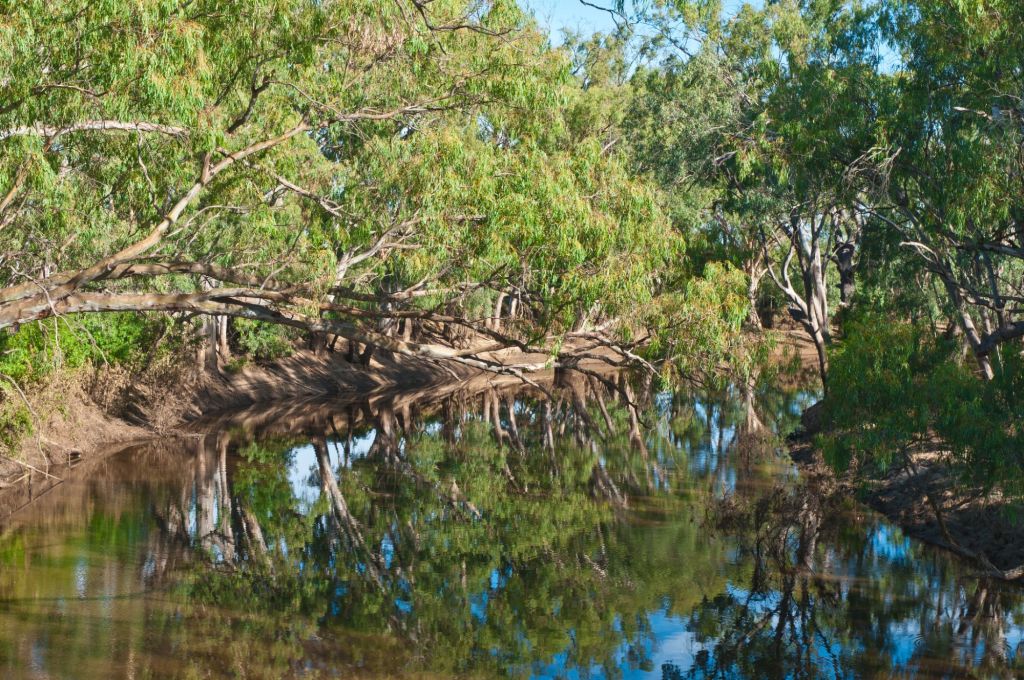
One such place for me happens to be a river called the Campaspe. It was here that the ashes of two fellow hermit pilgrims of the feline persuasion found their rest.
As I stood on the muddy bank of that river, and made my offering, I sensed that feeling I describe above; that feeling of oneness with or connection to the river, to that place. As those two little creatures whom I loved (and love now) and who are made of the same stuff as me, were returning to some kind of essential or foundational state, we were there and connected with them as they continued on their journey.
I knew then for sure the sacredness of that place, the thinness of the boundaries there. While then I didn’t yet know the word, the Campaspe River had for me became a Tirtha.
DEDICATED TO:

Shanti and Lofi. Two beautiful beings and fellow hermits and pilgrims on the journey with us. With us in our hearts and now off carrying on with their own adventures and pilgrimages.
 Notes from the Hermit's Cave