A Music Star, Some Songs, and the Human Condition

The first line of this post was going to read something like: I listen to a lot of music. Then just as I put fingers to keys, I thought, no I don’t. More true to say I don’t listen to anywhere as much music as I’d like.

But I do try, and I am blessed that I have quite a large and extremely diverse music collection. All digital these days (which in itself is a great blessing), but once, I had CDs, DVDs, cassettes, as well as quite a nice range of vinyl singles and LPs.

Thank you Wikipedia No glasses?

Anyway. Moving right along. Tonight, as I cooked dinner for the hermit pilgrims, I was listening to a self-titled album called Buddy Holly. I just discovered that it was his debut studio album recorded in 1958. My copy is most likely a rerelease,though unlike most of the rereleases, this one features the original track line up.

I found myself thinking about, fantasizing I could say, about what might have happened had tragedy not called a halt to Buddy’s songs and life. Who can say? Then I mentally shook myself: this kind of daydreaming and speculation is not what one might call being present in the here and now; such thinking is an outright denial of the truth of things as they are. But, remember, I’m still learning: not yet enlightened; just another sentimental human who can’t help himself or control his wayward mind.
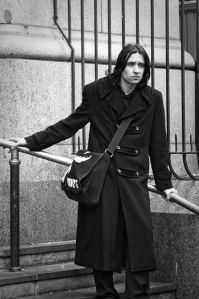
A Studied Pose

Some would say that the album contains songs that are typical rock and roll pop songs. And yes, they would be absolutely correct. Why? Because, as you’ve probably worked out in your own life, living on this planet as a human being is a drama in itself ready made for song lyrics, movie scripts, and novel plots. It’s not a new idea!

As such the songs’ lyrics are about love and loss, hope and despair, longing, joy, sadness; you know, the normal everyday ups and downs, ins and outs of life. Not a lot you might think to interest the likes of me. But there is something, that I’m not sure I can name in Holly’s music and lyrics that strikes a chord (sorry pun not intended) for this hermit-pilgrim, aspiring to be a monk, rock and roll fan, who just loves music from wherever and whoever.

Sure, the songs being products of their times can be a little sexist (nothing compared to the twisted misogyny we sometimes hear today though): sometimes naive and simplistic. But, for me there seems to be an innocence, even a kind of purity to the lyrics. Have a look at the lyrics of Mailman Bring Me No More Blues:
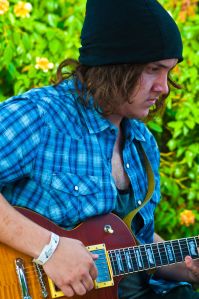
Mailman, bring me no more blues
One little letter is all I can use

She wrote me only one sad line
Told me she’s no longer mine
Mr. Mailman, that’ll do for some time

Cried like never before
So hard, couldn’t cry no more
Shoo, shoo, Mailman, stay away from my door

Mailman, bring me no more blues
One blue letter is all I can use

By the way, those two lines in the second verse are about as sexist as any of the album’s lyrics get, not that I am suggesting we minimise in any way whatsover such a sentiment. It’s abhorrent to me.

Anyway, it is pretty clear what this song is all about: it is the pleas of our rejected hero to be left alone; he can’t handle any more bad news or heartbreak.

Actually as I’ve listened to this particular song a few times tonight, I’ve realised that it’s about attachment, about compulsions and aversions. It’s about how this guy believes his wellbeing depends on someone else, that without her he is doomed to suffer.

When we think like that, we are compelled to chase after those things in the world that we think will make us happy, and run away from the things that we think make us suffer. In this song it’s all the mailman’s fault.

Obviously we are all like that; it’s part of human nature isn’t it? You might ask, am I now preaching a dualistic , clinging to your desires type of approach to living. No, but at the same time, it’s a true story isn’t it? This song. None of us want suffering, pain, rejection, and all the rest of it. I guess instead I should be saying now: let go of worldly attachments, give up your notion that things of the world can make you happy.

Now, how about these partial lyrics from Everyday. One of Buddy’s biggest hits:

Everyday, it’s a gettin’ closer,
Goin’ faster than a roller coaster,
Love like yours will surely come my way, (hey, hey, hey)
Everyday, it’s a gettin’ faster,
Everyone says go ahead and ask her,
Love like yours will surely come my way, (hey, hey, hey)

Everyday seems a little longer,
Every way, love’s a little stronger,
Come what may, do you ever long for
True love from me?

And the music. Holly has been credited with being the originator of what became the standard set up for rock and roll bands: two guitars, bass, and drums. Mind you, according the album notes I read online, many of the songs on this album also feature many other instruments, classical and contemporary. I think it’s brilliant; something about it makes me think of alchemy
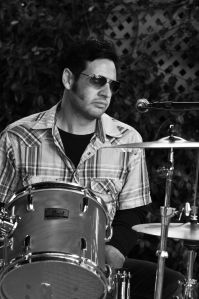
Wake me up for the drum solo

For me it’s that instrumentation, the tunes, the melodies, and sometimes great harmonies (not to mention the occasional lack of harmony) that promote or provoke a kind of mellow, reflective mood. Sometimes though it feels like the music itself goes further and actually creates or induces that mood.

I just love these songs. That’s the essence of what I’m saying. In a strange way, they serve to uplift, despite the sometimes apparant gloom and doom of many of them.

Anyway, let me leave you with a couple of verses from one more song, Valley of Tears, which was actually written and first recorded by Fats Domino.

While most of us have been at some time or another a frequent visitor to or even long term resident in that valley, in this song our hero wants to actually go there forever!

Of course, I don’t think it’s that simple. I think he wants so badly to be relieved of his suffering that the only place he can think of where he can truly belong is where everybody else is suffering like him.

I want you to take me
Where I belong
Where hearts have been broken
With a kiss and a song
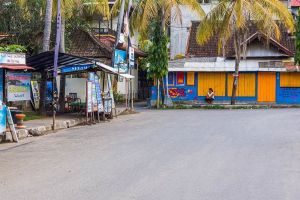
The Closed Cafe at the End of Lonely Street

Spend the rest of my days, dear
Without any cares
Everyone understands me
In the Valley of Tears

I guess that’s why I love and respect Buddy Holly along with so many others: he’s telling us, reminding us, that happiness doesn’t come from outside, from out there in the world. And if it does, it’s fleeting, only temporary. He reminds us, or at least he speaks this truth to me, that the only place I can find permanent peace, love, happiness is within.

Peace and love from me to you

PS: A note of thanks

Most of the photos are mine, except for the ones depicting the record single and the LP cover. I am very grateful to Wikipedia for allowing such access to these things.

Also thank you to Wikipedia for the song lyrics. If you ask my personal opinion, I will tell you that Wikipedia is one of the greatest resources for knowledge (or rather informatioun with the potential to become knowledge), that has ever existed in the history of our species.
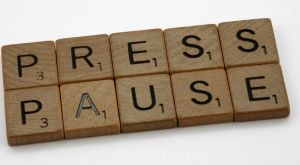
Aspire to a Balanced Life

‘I pause to rest when I feel the need’.

Makes sense, don’t you think? It is a really excellent affirmation to give oneself isn’t it? A wise piece of advice also. And I agree with you: great advice, sensible, logical, very helpful for anyone and everyone. Unfortunately, it’s not something I can honestly tell you that I practise on any kind of regular basis. It’s more likely that I would have to admit to you that:

‘I am always hurrying to get things done, and until I do, there’s no rest. Doesn’t matter how I feel’.

And it doesn’t seem to matter whether I have a lot to do, or only a little – or even if there’s nothing needing my attention. Whatever the situation, you will catch me in a hurry, going as fast as I can to get whatever there is, done. ASAP.

Okay, I admit it: I am exaggerating slightly. But not by much. Always rushing, always ‘getting ahead of myself’, always in a hurry. It’s been a problem for, well, forever really.

And I know I’m not alone. The world – as in society, economics, education, and the rest – is in a never-ending race to do whatever they do, and to get it done as quickly as possible, regardless of the cost to the planet and all of us who live on Her.

And, obviously, we are all caught up in this ‘race’, in pretty much every area of our lives.

Whether it’s an exercise program we set for ourselves, or which has been forced upon on us by advertising, cultural shaming, false identification with our bodies. Or the intense and all-pervading pressure to be ‘more productive’ at work. Or the newest mobile app that will magically make even our off-work lives more productive and (supposedly) give us that extra edge in the marketplace (whatever that means).
And remember school? High school? College? The night classes you took for fun and relaxation? How many classes began with the teacher giving the following little speech:

‘Now, we can really take our time with this class/course/semester, and we will be able to take as many breaks as we like. We have plenty of time to cover all the material. So, sit back, relax, take your time and enjoy.’

Not many I’m guessing.

Now, as a hermit, you might think I lead a quiet life. And it’s true: I do. Relatively speaking that is. All of us are required to be constantly taking some kind of action in order to maintain life.

Just like everyone else I have to do whatever it takes to just be alive: Cooking, eating, cleaning, laundry, shopping, praying, meditating, relating to loved ones as well as other people I encounter.

Then there’s reading, studying, talking (way too much in my own case), thinking. Well, that’s probably enough to be getting on with, I think.

Despite my hermit life, all these and more I do. And for me, it’s always in a rush and hurry. Well, not always perhaps, but too often for my liking, and way too often for my mental health, peace of mind and for the calm, peaceful like, I aspire to.

Whatever our personal lifestyle, or way of living, we are all in the same boat, so to speak.

Fix your mind of truth and be free from the concerns of the material world.

So, what to do? How can we slow down, get some sort of equilibrium or balance in our lives? How do we stop the rush, the panic, the pressures that besiege us and sometimes overwhelm us?

Well, there’s the problem. I won’t say I have no idea. I can’t say I don’t know. But, and here’s the point, while I can tell you how I am trying to do.If you’ve read what I’ve told you already, you will realise that whatever I try only works sometimes. And a very few sometimes’s at that.
Mindfullness

I try all the time to make everything I do, even if it’s just walking down the street, or washing the dishes, a prayer. Which is really simply another way to say that I try to do everything mindfully.

Sounds really simple when I put it like this, but of course it’s not at all. It takes discipline (I want to talk about this a little more later on). It’s about focusing on how you are interacting with the world around you, and obviously this starts with being fully mindful in each moment as you take action in the world, whatever it might be.

Simplify.

Not easy, I know. Life is full of details and complications. It’s full of conflicting priorities, each with their own sense of urgency and importance. The simple advice is to do what you can. Once again, tackle all the things you have to do one step/thing at a time.
Did you notice the italics? Be alert to the old urgent vs important dichotomy: not everything is of equal importance, regardless of appearances. Equally, we have to discern a thing’s or action’s degree of urgency for ourselves. With obvious exceptions, most things aren’t as urgent or immediate as they are presented.

Minimise.

Sound familiar?

Listen carefully to the commands to buy, buy, buy, and do, do, do that we are constantly being bombarded with from all direction. Ask yourself one of the big self enquiry questions: Do I really need … ?

Related to this is the question of how much money we actually need to have a good life, support our families, and so on. No guru, teacher, book, or anything else can help with this one; we are all different and have our own unique and specific needs. Only you can know what is right for you.

Discipline.

I mentioned this aspect of the solution to bringing a calmer, slower, less pressured vibe of equilibrium to our lives. For me (self-discipline is what we’re talking about here) is not only about willpower, though of course, it’s an important part of the picture. A quote from Bhagavad Gita that I think points us in a helpful direction:

What does it mean, ‘fix your mind on truth’? While it is very often an extremely difficult thing to do, fixing your mind on truth simply means keeping your mind (and consequently your body and heart too) focused on what is actually real, important, and meaningful to you. It means staying focused on what truly resonates with you as the way you wish to live your life.

So hard is this for me to do, that I am engaged in an ongoing project (please forgive the productivity cult lingo) to keep focused on what is true and real to me. To be honest, while I’m pretty sure that it does get easier with practise, I will always be refocusing on my truth. As they say, it comes with the job description for all of us human beings.

Now, about the second half of that Bhagavad Gita quote. If we do manage to reach that stage where we are able to focus on the meaningful and important, the truth for us, will all our troubles, problems, pressures, commitments of all kinds, just magically go away? Can we eliminate completely ‘the concerns of the material world’?

Absolutely not. The only thing that will potentially cease is our constant state of  being stressed.

While the things we worry about now won’t disappear, the worry itself may lessen. Our abilities to function more effectively and happily in the world (in our family, our work, our own mind) will also improve. We really may become one of those people who always (or most of the time) take things in our stride.

But we should remember that the pressures, conflicts, health issues, the need to support ourselves and family, relationships with all their ups and downs, remain; they are part of the human condition; they are the natural order of things in this material world.

What we can do, is try as much as we can to control our minds, trying to remain focused on that which is true and meaningful to us.

Minimise, simplify as far as possible in all everything. We can focus on all that is true and meaningful in the life you are creating on an ongoing basis. And, of course, it is one considered and deliberate step at a time.

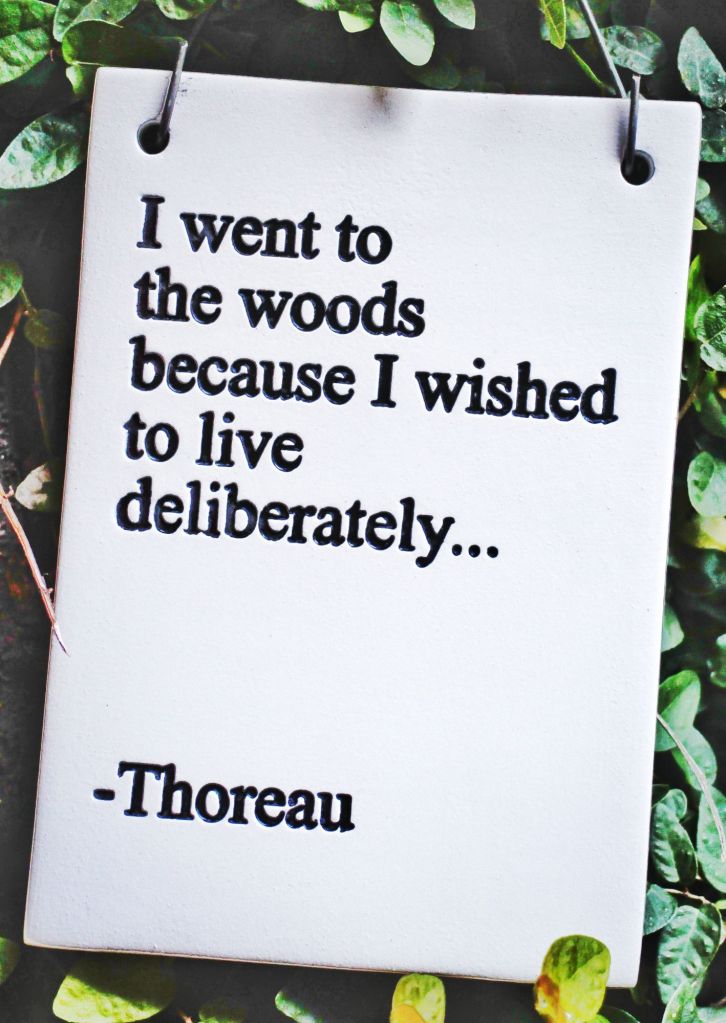
For Thoreau, going to live in the woods was the natural thing to do. It resonated with his soul and heart.

Of course going to live in the woods isn’t for everyone, but if it speaks to  you; if it is in tune with your own truth and you feel it would give your life meaning, then why not?

All of us have within us our own ‘going to the woods’ equivalent. It might be anything. Go find it! Rest there.

The last words of this post are the same as the first. Actually as I think about it now, I see more clearly that this entire post with all its words and thoughts, might be summed up very nicely by that one small affirmative statement. Well, I might add three more words of my own:

In all things, I pause to rest whenever I feel the need.
Peace and love from me to you.

Silence, Solitude: Where can I find it?

Remain in your cell, and your cell will teach you everything

This piece of advice from one of the early Christian desert hermits to a follower has been going round in my head for ages. And I mean a couple of years at least. I’d read it in several books at the time, and I’ve seen it in a few since.

Of course, most of the writers of those books interpreted this advice at face value, literally advising the student, hermit, monk, or other contemplative person to stay in their physical cell (hut, cave monastery cell, suburban bedroom, wherever is their permanent dwelling) and listen, meditate, study, and contemplate. The advice is, stay in that space in silence and seclusion. Quite possibly forever.

‘But it could be the cell of your Self,’ my partner hermit said to me one time. And yes, I thought, that’s exactly right. I liked the symbolism. The actual literal, physical space and its geographical location isn’t necessarily the important factor. What’s important is that you, the real you is actually fully present wherever you are, right here, right now.

Think about what it really means to be present – to be here now: It means that you can say, ‘This is the only space and the only moment that exists. Right here and right now.’

Living life is an ever-flowing movement or process, and at the same time (excuse the unintended pun) is always occuring in the present. And in that ongoing moment you – your Self -is always there.

Of course along for the ride is your little s self with its ego, chattering and never quiet mind reminding you of the distractions, stresses, anxieties, worries about things to do or not do, memories of the past, and fears for the future. It goes on and on.

But, still, that space within where you can meditate, pray, contemplate quietly, that’s your Self, your ‘cell’.

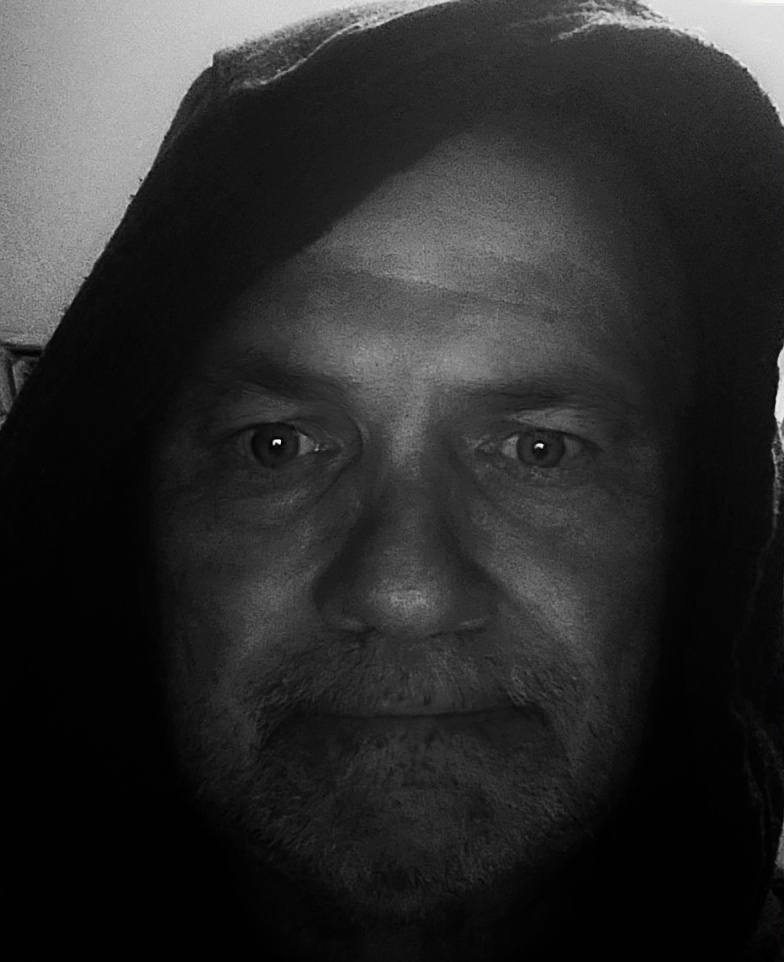
I’ve always liked and worn hoodies. I guess a lot of people do. For some it’s about fashion; others wear them for warmth in cold weather or to keep the sun off when it’s hot; some people even use them to hide.

Then there are others such as nuns, monks, priests and others too, for whom a hood is a part of the robe they wear as a member of their particular group.

In those cases, a hood is called a cowl and most often it’s a largish loose hood sewn onto the robe or habit. Just like a regular hoodie.

I read somewhere (I forget where) that some groups nickname these cowls ‘cells’. In other words, the wearer carries their cell with them wherever they go.

Of course they don’t always actually wear the hood on their heads, but whenever they wish or need to retreat to their cells, all they have to do is simply pull their hood up and over their head and all of a sudden they are in their own private and solitary world; they are in their cell.

As I said earlier, I like the symbolism. But more than that: I find wearing a hood on my head or simply in standby mode, comforting.

I’m not overly good with crowds, or in close proximity to other people on a bus or train or whatever. I like knowing that just by pulling my hood on, I’m able to create my own space apart from my surroundings. In that space I can feel safe and kind of apart.

Even at home I wear a hood when I’m meditating or praying. It’s just one more opportunity to retreat into my cell, into Self

Peace from the Hermit to you

‘Sometime Soon’: When is it?

There used to be a thing – maybe it’s still a thing – that would happen sometimes. You’d be talking to someone and suddenly they’d burst out:

‘Hey that rhymes! You’re a poet and don’t know it!’

This exclamation, this sudden and surprising interruption, was always prompted by some sort of accidental rhyming happening in something you’d said.

Or, sometimes, it even happened when you had written something and had through no fault or thought on your part, created a rhyme, even a little impromptu and accidental poem.

Well, that’s what happened to be. It was a while ago now and I was writing in my journal. It must have been ages ago because I don’t keep a journal anymore.

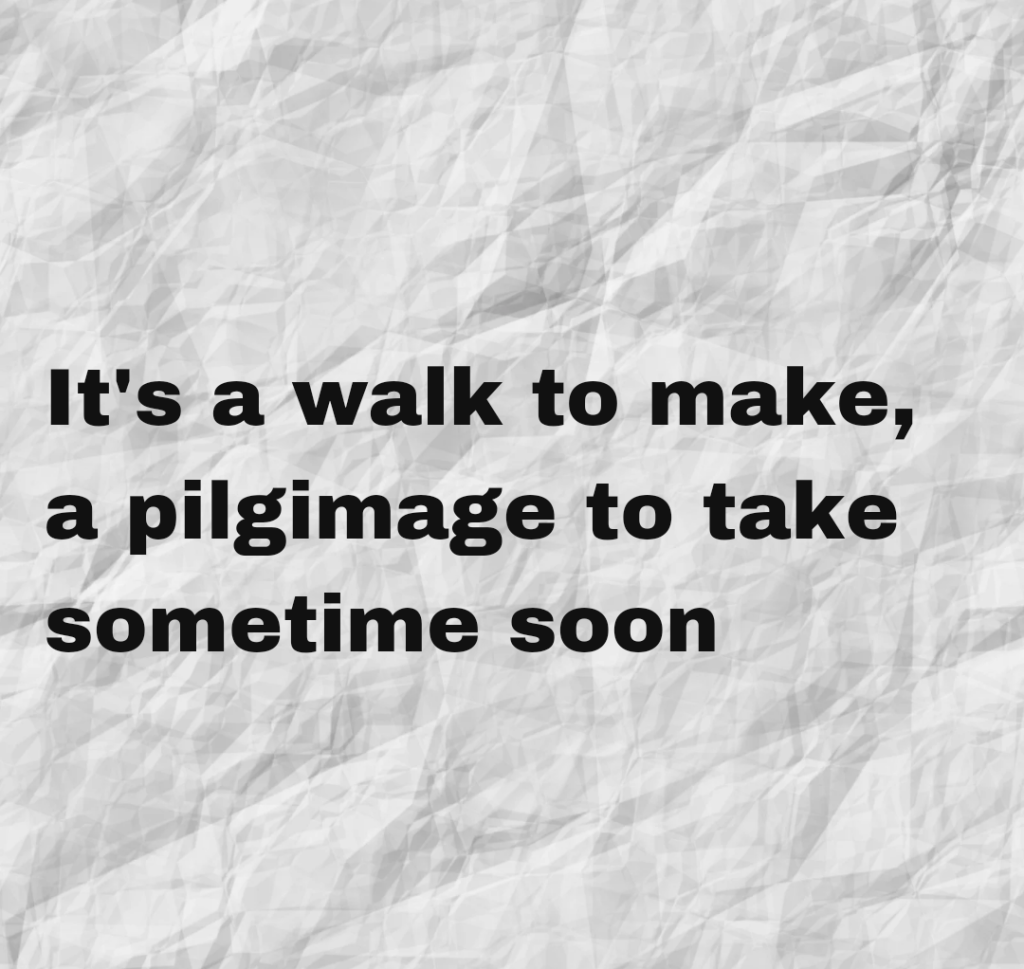
In any case, with nobody reading over my shoulder, it was left to me to express surprise at a sudden outburst of poetics on the page. And along with the surprise, I was able to make a quick note of what I’d written:

Anyway, this post isn’t about this little demonstration of spontaneous poetic genius; it’s actually about the ‘sometime soon’ tagging along on the end.

I have no idea where or what the walk to take, the pilgrimage to make, was – or is. Which suggests a rather obvious conclusion: ‘sometime soon’ never came. The walk was not taken; the pilgrimage was not made.

Now, I’m thinking to myself, if the walk under discussion was so appealing – as well as so significant that it transformed into a pilgrimage – then how come ‘sometime soon’ wasn’t right now, or rather right then. If you follow me.

Of course there’s no telling the reasons for the sometime soon. Maybe plans would have been required; travel to arrange; equipment to gather; fitness to acquire. Who knows?

Clearly I was inspired to at least put down in writing that I thought this walk, this pilgrimage, was (or would be) a good thing to do.

Meaning, in that moment, in the present that is (or was) of that moment, that walk/pilgrimage was a thing I wanted to undertake.

Now, while I might have longed to take that walk, to make that pilgrimage, in the present of that moment of writing, and even though planning may have been required, thereby putting off the actuality of the taking and making till some future time, I at the very least could have taken some action – again in the present of that moment – to get the ball rolling so to speak.

So, what’s the lesson here?

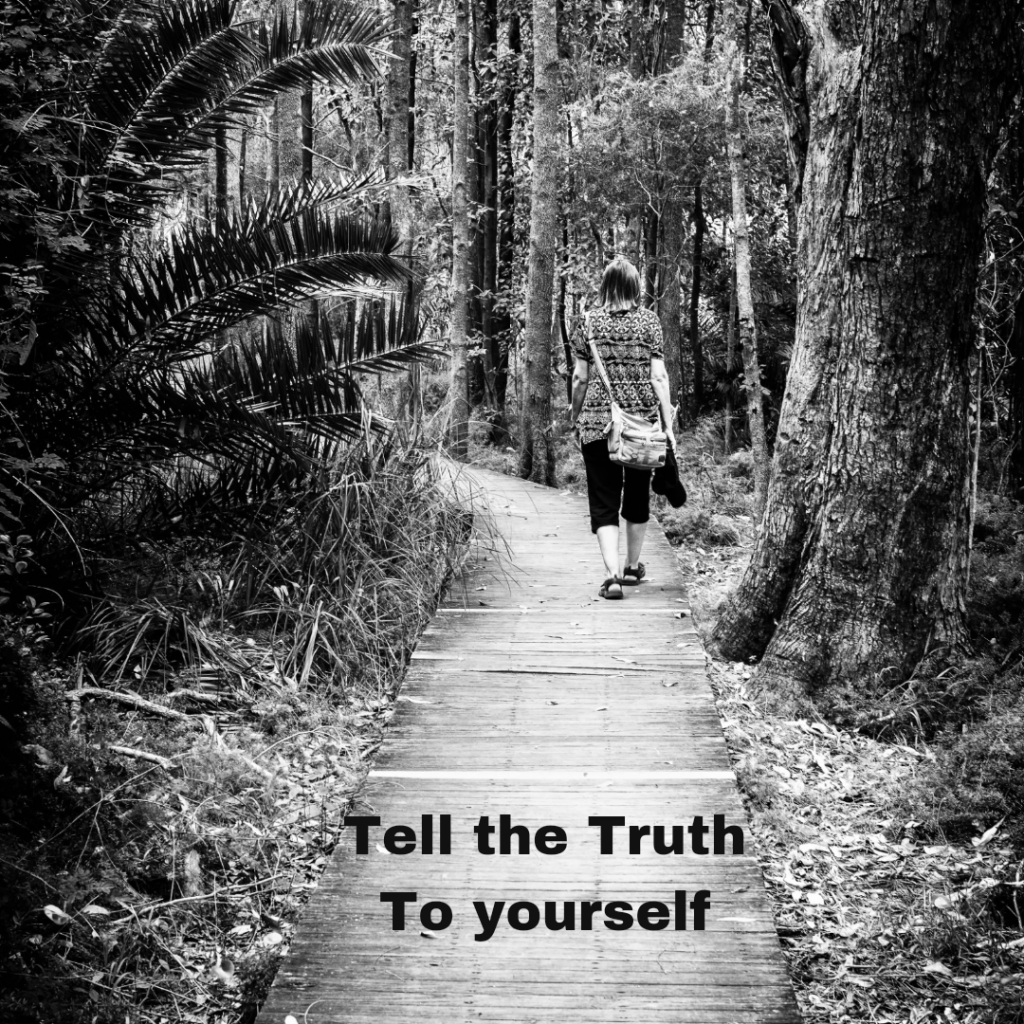
Well it’s simple really, very simple. Maybe simpler to say than to actually put into practice, but I think my lesson here is just this. Tell myself the truth as often and as much as I possibly can. In other words:

Be honest with myself

Let’s look at the options

If I’d really wanted to take this walk, to make this pilgrimage, no matter how remote, how complicated the logistics or planning, why didn’t I take action in that present? Or at least in some present before I actually forgot completely what the walk/pilgrimage was.

And why add ‘sometime soon’ if I didn’t actually desire or intend for this thing to happen? Well, possibly to put of any decision about doing or not doing. Or perhaps it was a way of saying (in completely other words), ‘Well, it sounds very nice, but I doubt I will ever end up doing it.’

So, honesty, and clear thinking about what I want and what I don’t want. That way I won’t be so attached, so keen on clinging to outcomes that I can’t see clearly, can’t easily know what I am to do or not do. Presence. Being present is what this is really about isn’t it?

To be completely present, to be fully here and now, requires me (all of us I suppose) let go of the maybes, and the ifs and buts as well as the endless ruminations about do this or don’t do that.

If I want to take a walk, or make a pilgrimage, then I say to me: just get on with it! If I don’t, then just say so, and move on.

Last little comment: I would really love for the present to remind me of what this walk/pilgrimage was. I’m a bit curious I guess(yes I know, curiosity is a present moment deflater) Maybe it’ll come back to me now I’ve written this post.

Peace

A Small Gift

An Encircling Embrace (Unknown and brilliant street artists)

From the Hermit’s Cave to You, wherever you are

When Trees Speak

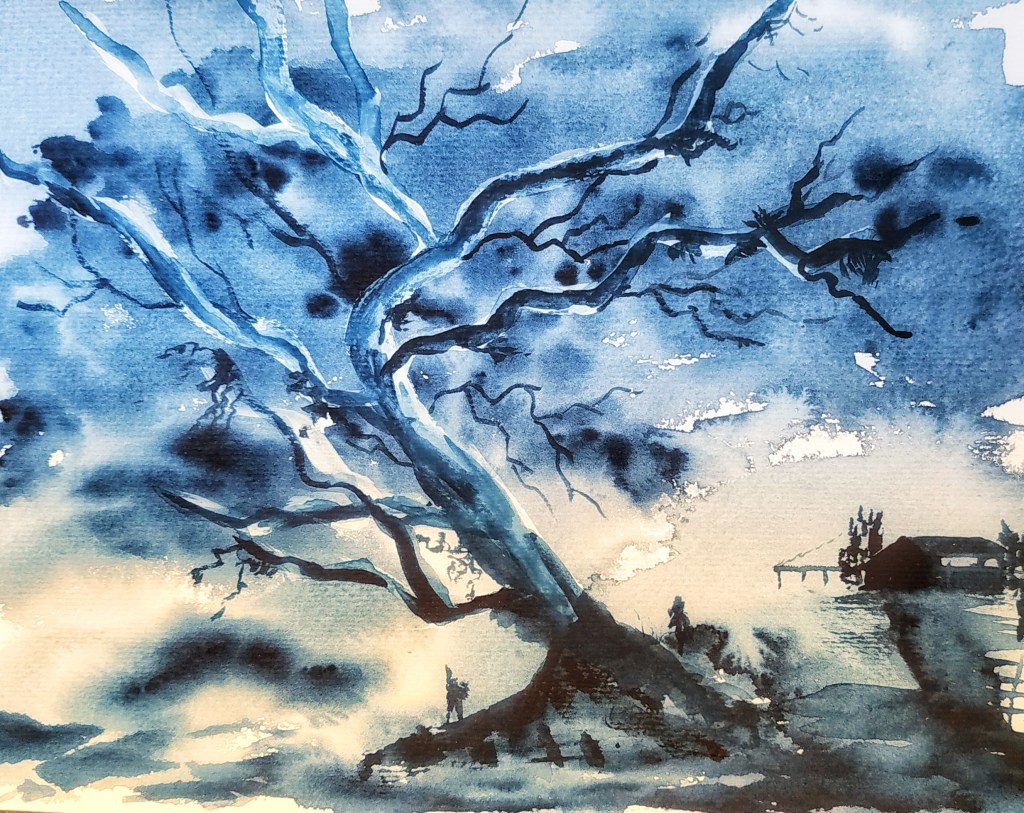
Watercolour by Pauline (with digital enhancement by the Hermit)

Vibing on the mystic trees,
their upside is downside, their downside is upside
selves telling me:
You’ve got to cut through the attachments.
Then, not a new, but old made new again, insight
confirms, clarifies, brings details to,
shines a light on the specifics:
Stop desiring what you already have.

A Seaside Musing

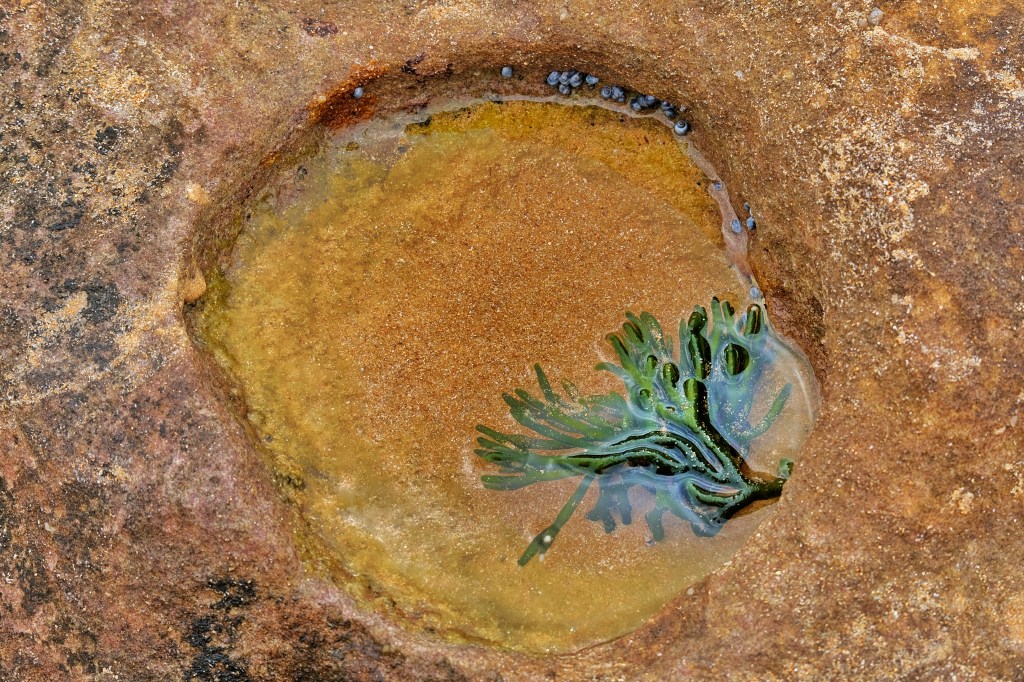
Yellow-Golden sands
carpet the floors
of tidal rockpools,
home to crustations and seagrasses.
And the coffee tasted like medicine.

Lessons from Butterflies

Yesterday found me (for a couple of hours anyway) out on the suburban streets close to the hermitage. Camera in hand and trying to cultivate an attitude of Contemplation. Working for the moment my heart, my head, and my mind all came together to help my camera make a photograph.

Well, in terms of contemplative photography, the outing was a bit of a struggle: getting into the Zen Zone isn’t always easy. And come to think of it, it’s not always part of the plan is it?

I don’t mean the little plans and intentions the ego comes up with about how things are going to turn out. I’m talking here about The Plan: what the Divine has in the works for us.

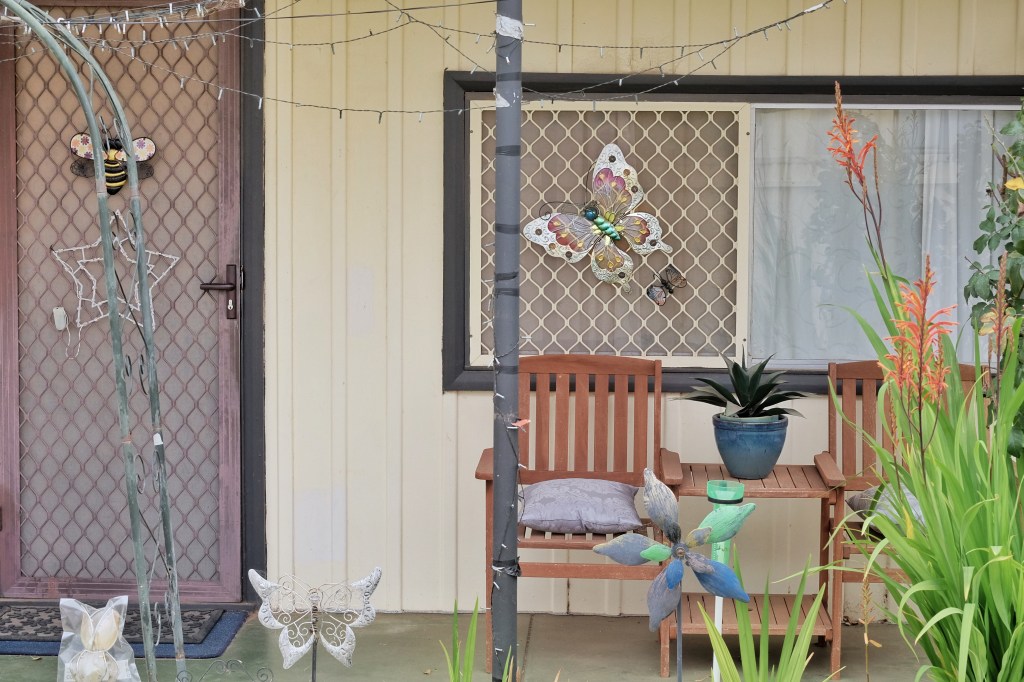
Anyway back to my walk. I kept walking, sometimes making photos. As I said, it wasn’t easy getting in the zone. Suddenly my eyes were drawn to a particular house. As I looked through the viewfinder I noticed a butterfly on the wall. On the window actually.


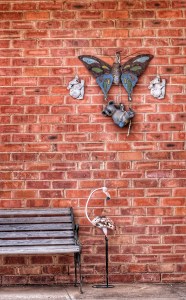
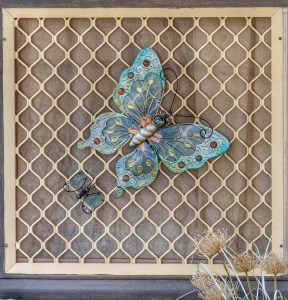
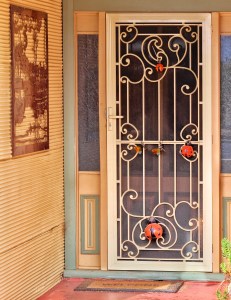
Not a living, flying, being as you can see. More of a kind of garden ornament attached to the front of the house. It struck me as I continued looking, that I’d already seen – and photographed – several ‘butterflies’ so far in that walk.

Four actually. In the space of an hour, and within a couple of streets of home. I’d seen them on walls, windows, and on doors.

Through time and in many places around the world, various cultures have looked at butterflies as symbols of transformation, for change, and renewal.

And, it seems to me, that butterflies can appear to us almost lighter than air. They kind of float on the air currents. They’re also known for their darting way of flying in what might seem to us one random direction then another.

So, butterflies have also been seen as symbolic of the human mind with its tendency to dart all over the place from one thought to another. They are said to remind us that we can in fact control and direct the mind.

In that case then, were these repeated encounters with butterflies – albeit of the ornamental variety – some sort of message for me? Perhaps I was to slow down, stop taking myself so seriously and to make changes? And of course remembering that I’m perfectly able to deal with consequences of any changes I make.

A Window for Two

Well, here’s the funny thing. Literally not until I sat down to draft this blog did it occur to me that I have in the last couple of days made what for me seem monumental changes. Or to be more exact, I have put into motion changes that are yet to reveal what if any transformations they might lead to.

You see, over the last few days I have been systematically deleting all my social media accounts (with the exception of a messenger app to speak to my son). I’ve had most of these accounts for up to 15 years or more. So, while I’m absolutely certain that this act of detachment from some of the things in the world that don’t sit well with my nature, I’m still feeling a bit lost, a little empty.

Okay, the butterflies: what have they to do with any of this? Transformation? Change? Lightness? And the ability to float through changes in life? Yes all of these. And we all know very well that butterflies undergo some pretty tough transformations as they evolve into what they are to become.

Who Invited the Lady Bugs?

Something I read once said that if you see a butterfly you should look at what you’re thinking; ask yourself what’s next for me? What changes are in store? Although all those butterflies of yesterday were ornaments on walls and so on, I have actually at other times been privileged to photograph living and flying ones.

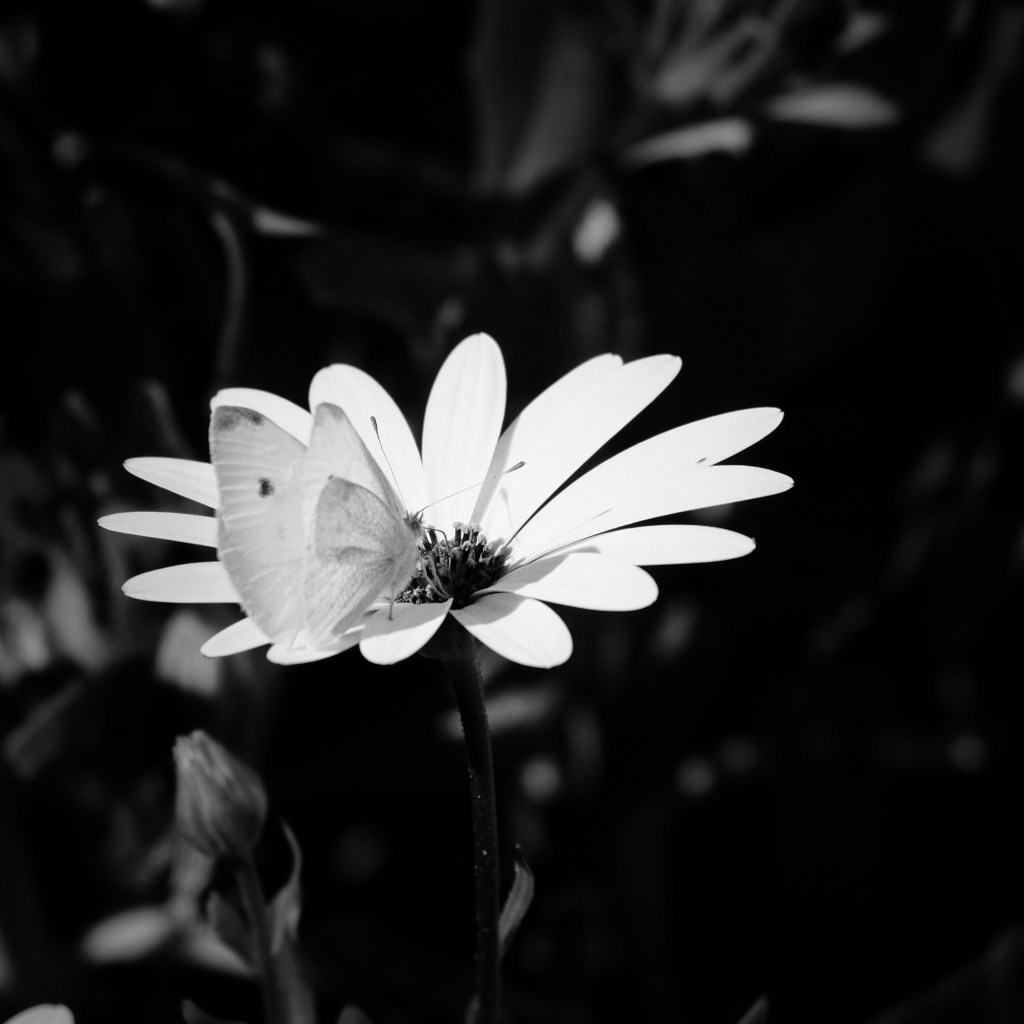
In fact just the day before yesterday I met a small white butterfly flitting from one white flower to flower. In the space of a very short time, this beautiful creature gifted me with a very small moment’s stillness, and it gave me a photograph. Here i share that one with you.

Early Christians associated the butterfly with the soul. So, yes, you could say that my meeting with that particular butterfly was a meeting of souls.

But what of the garden ornament, inanimate butterflies met yesterday?

Well, everything’s got soul don’t you think?

Peace and love

Homage to Holiness: A Story to Share with You

This morning as I do most mornings (trying to make it every morning) I sat for my practice starting with some prayers and reading a a few random verses from Bhagavad Gita.

Then I settled to spend some time in devotional chanting of mantra. For a change this morning, while chanting I listened to a lovely album of devotees chanting the Hare Krishna mantra:

Hare Krishna Hare Krishna
Krishna Krishna Hare Hare.
Hare Rama Hare Rama,
Rama Rama Hare Hare.

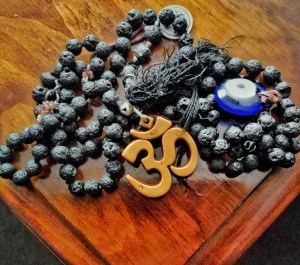
I reached for my mala (prayer beads or rosary) and as I mentally repeated these holy names in accompaniment to the recording, I held a bead between my fingers for each repetition, focusing on the chant.

Now, chanting is much like any other human activity: that is to say, the mind is always there. Usually it manages to bring up all kinds of irrelevant fears, memories, questions, you name it. Today, however, one of those supposedly random memories actually caught my attention in a good way and took me along.

As I continued handling my prayer beads I thought about a story I read in India nearly 15 years ago now. The story concerned prayer beads as it happens. Buddhist nuns, imprisoned in Tibet, were forced  to resort to making their own rosaries in secret after their meagre belongings had been seized.

Almost ten years later, after another extended stay in India, I finally was able to write about this story. In this instance it came into being as a poem I called Homage to Holiness. May I share it with you here?

Homage to Holiness

Threads harvested from threadbare clothing.
Pea-sized bits of bread, sliced from meagre rations,
secretly hoarded for sacred purpose.

Mala makers work at night
in the dark of the stinking and freezing stone cell.
Chewed bits of bread become dough again,

and, by feel, frozen fingers knead the dough
until tiny beads are created.
An even tinier twig, again by feel, pierces each bead through.

Then in solemn prayerful silence and focus,
the nun passes her harvested thread through the first bead.
She ties a knot, no easy task with freezing fingers in the frozen dark.

And so it goes; all sacred duties take their own time.
One by one; one bead of bread threaded; one knot knotted.
The nun nears collapse. But now, at last, her task is done.

As the last knot is knotted, the last bead in its place,
the nun sighs and mutters, whispers, a prayer of thanks.
One hundred and eight beads – plus one – made, and strung
Her Mala
Om Mani Padme Hum

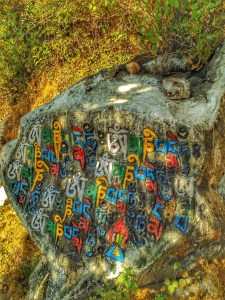
Probably the most sacred and significant of all Buddhist Mantra, Om Mani Padme Hum, means something like ‘the jewel is in the lotus’. But many would say it goes a lot further than the mere literal translation of the words; It is said to be the actual path to Enlightenment. There is a huge amount of information on the Internet about this mantra, so if you’re interested a good place to start is at this link.

Whatever the actual literal meaning, interpretation, or who chants it,  I think we can all agree that the intent of this mantra is to have us focus on the divine, or on the Ultimate or Absolute reality. The same as any mantra one might choose actually. Remember last post? God is.

in any case, I think somewhere above I’ve used the word random. Well I should know better by now: no such thing as random. One of the Bhagavad Gita verses I read – in fact the final one I left marked with my bookmark – seems to me fit very nicely with that ‘random’ memory of a story read years ago, and my humble retelling of the story in a poem many years later

One who knows the Absolute and whose intelligence is fixed on the Absolute is not moved by pleasure or pain, pleasant or unpleasant happenings.

Bhagavad Gita 5:20

Did that nun imprisoned as she was in the dark and the cold feel that pain? Did she feel fear? Of course she did. The thing is, she was, as constantly as her circumstances allowed, fixed on the Absolute: the activity of making the mala, the intended use of the mala, and her prayerful attention and devotion as she worked, all enabling a complete fixing of mind, heart, and attention onto the Absolute.

The cold was still there; the hunger and fear too. But this nun was able to remain centred, you might even say calm and content, despite the dire situation.

Actually content was a word I read in relation to this nun and her sisters (she wasn’t alone in that prison cell): From what I read they were released after some time, and eventually escaped to India where they rejoined friends, family, and of course their leader the Dalai Lama

At the time the story was being recorded for posterity, the Mala Maker reported that she was happy and content and leading a full and fulfilling life. I imagine her as still being fixed on the Absolute.

Thank you for allowing me to share these moments with you
Love and peace

Tell Me: What is God? Dominus Est

Welcome dear reader

Have I shared with you my Bhagavad Gita? Well, I know I’ve mentioned a few times that it’s one of, if not the primary resource for study and guidance for me.

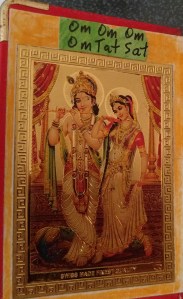
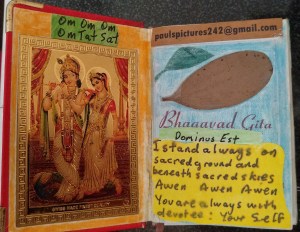
As you’ve probably guessed, this is a quick photo of the inside of the front cover. And, again as you’ve noticed, I like to stick things in my books, especially this little one. (Actually now I mention it, this is the only book in the traditional format as in made of paper, I own). It’s an old practice and for me adds multiple dimensions and depths to what is already a treasure.

Sometime I’d like to go through and describe to you all that I have added, but for today, do you see the little green section with the words Dominus Est printed?

In the religious tradition I was raised in, these two words have a specific meaning and use. However, it’s only recently that I’ve come to think of this little Latin phrase (well technically it’s a sentence, but …) in the sense of the literal meaning of the words themselves: God is.

That’s it. Or the Lord is, or the Master is. If we change the Dominus, we can use this tiny sentence to define our conception of the divine, the holy, in any way that seems right: Truth is, Beauty is, Art is. For me, God is, sits right. As do the others in this list. Same same.

So, God Is. What else could possibly be said that would add to this already very emphatic and simple statement? Nothing at all. It’s stand-alone, complete in itself.

Like asking who or what is God, we can answer: ‘I am this’ or ‘I am not that’. Or we can realise what for me is becoming the only answer:
I am.

Why? Well, if we were to add anything at all to these two words, such as God is Truth, or God is Love, or God Resides in …, or God is called … , then we are in fact stating only a little of the truth. Sure, God is truth and love, and goes by many names and is found in many forms, but once we say what something is, we are actually making more of a statement about what it is not.

In the beginning there was the word, and the word was with God, and the word was God.

Mind you, it’s perfectly natural, and for many of us helpful, even necessary, to ascribe to God a name and or form. We are ourselves material beings, living in a material universe; it’s logical that we would choose (or need) to see God in a word, a physical object, or attribute some other kind of materiality to our notions of the divine.

I must say that I am one of those who find it difficult to envisage an invisible, non-physical, and impersonal ‘God’. Of course, our little statement, God is, does indeed say just this doesn’t it? Isness is pretty non-corporeal, certainly not in the least physical. And isn’t even a ‘spirit’ or ‘entity’ of any kind; Isness just is. The moment we label something (including ourselves) we miss that isness, that essence.

You see my picture of Krishna and Radha? This form, or forms, is one of the several that I feel right in having as a kind of focus, or centre of my devotion to and love for the divine; for love, for truth, and for it all.

You might be saying, this guy does believe in a personal God. He just told us. The truth is I don’t believe or not believe that Krishna (or any of the myriad names and forms we’ve invented) is God. God simply is. And my heart tells me that this is enough.

There are a pair of theological ideas known as Cataphatic Theology, and Apophatic Theology. Cataphatic describes or approaches the divine by stating what God is, while Apothatic (you guessed it) describes God by speaking only of what God is not.

My guess is that pretty much everybody, from whatever tradition, would approach the divine (and not only the divine) in one or other of these ways. But for me it was such a relief to realise that there was no need to go there at all. I could stop with the definitions and the descriptions, the what is and what is not. I have the freedom to not have to believe or not beleive. None of it matters. Dominus Est. God is.

Am I there yet? Have I let go of dualities? Hardly. Maybe the odd glimpse, but it’s rare. And it always will be for as long as I live in a physical body. But to paraphrase something Swami Ramdas said:

I’ve set my feet upon the path, so I am already at the goal.

Peace and love from me to you