
From the Hermit’s Cave to You, wherever you are

From the Hermit’s Cave to You, wherever you are
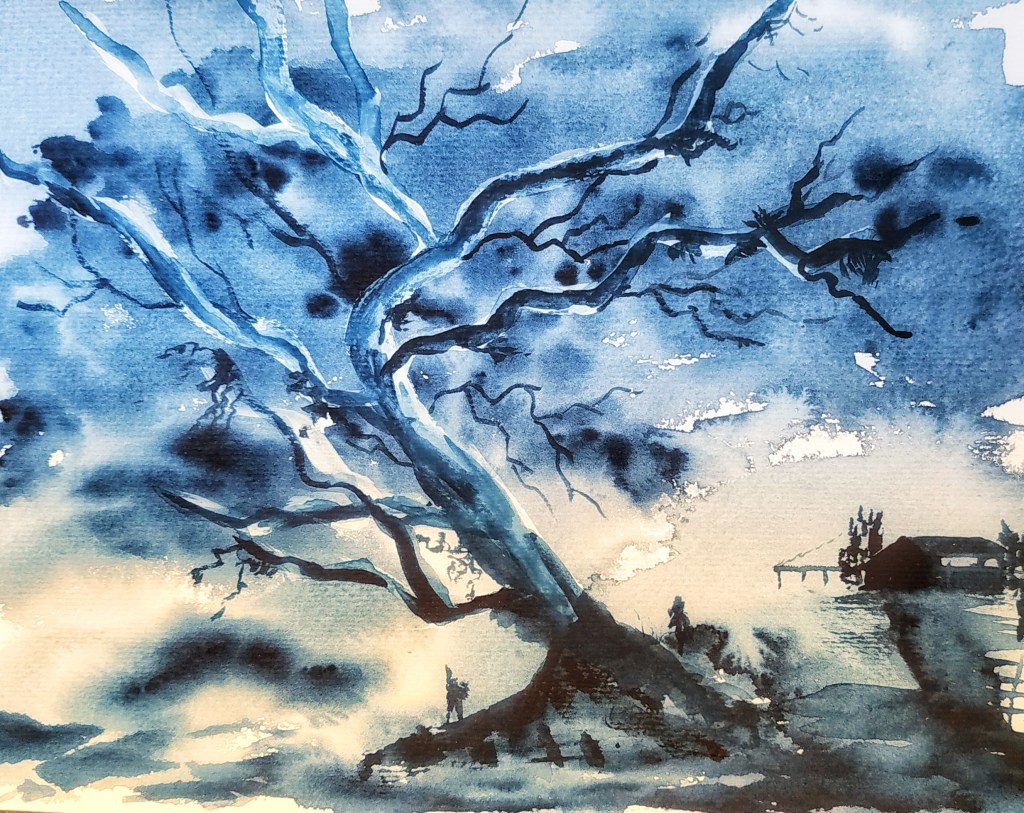
Vibing on the mystic trees,
their upside is downside, their downside is upside
selves telling me:
You’ve got to cut through the attachments.
Then, not a new, but old made new again, insight
confirms, clarifies, brings details to,
shines a light on the specifics:
Stop desiring what you already have.

By the River’s Light
I’ll Live My Life
out of sight of Babylon
A Note From Me: I can’t tell you who wrote these words. Maybe I did; maybe it’s a song lyric; or maybe it’s a quote from someone famous. Whatever the case, a half hour internet search failed to come up with anything even close. So, The best I can do is thank whoever did bring these beautiful words into the world. I hope you are pleased with how I’ve made use of them.
Yesterday found me (for a couple of hours anyway) out on the suburban streets close to the hermitage. Camera in hand and trying to cultivate an attitude of Contemplation. Working for the moment my heart, my head, and my mind all came together to help my camera make a photograph.
Well, in terms of contemplative photography, the outing was a bit of a struggle: getting into the Zen Zone isn’t always easy. And come to think of it, it’s not always part of the plan is it?

I don’t mean the little plans and intentions the ego comes up with about how things are going to turn out. I’m talking here about The Plan: what the Divine has in the works for us.
Anyway back to my walk. I kept walking, sometimes making photos. As I said, it wasn’t easy getting in the zone. Suddenly my eyes were drawn to a particular house. As I looked through the viewfinder I noticed a butterfly on the wall. On the window actually.
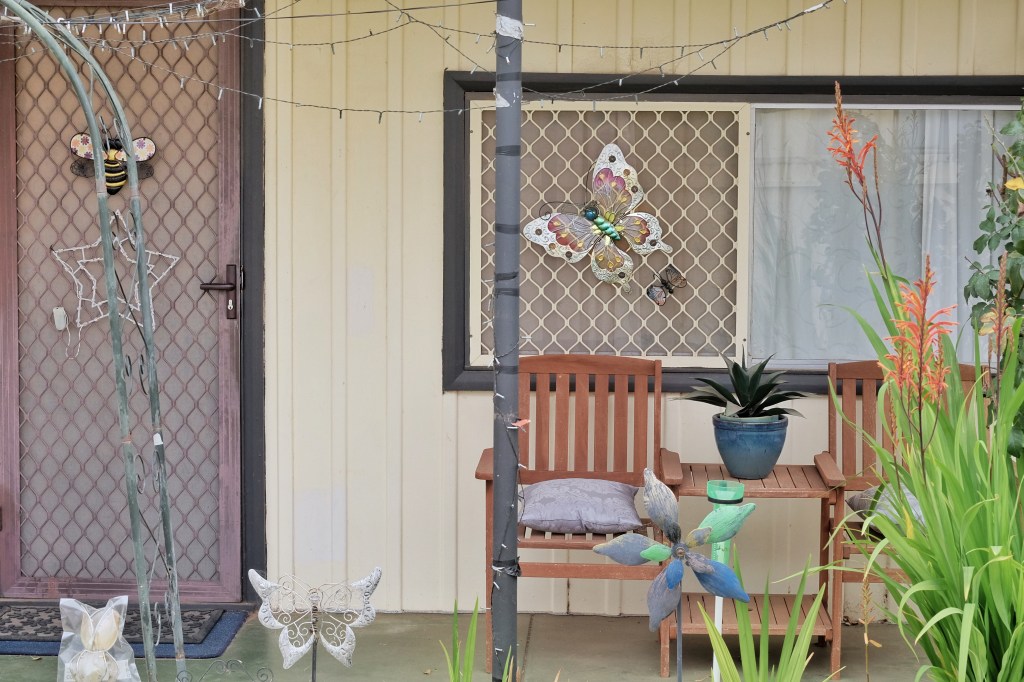
Not a living, flying, being as you can see. More of a kind of garden ornament attached to the front of the house. It struck me as I continued looking, that I’d already seen – and photographed – several ‘butterflies’ so far in that walk.
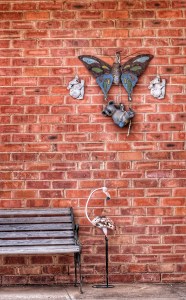
Four actually. In the space of an hour, and within a couple of streets of home. I’d seen them on walls, windows, and on doors.
Through time and in many places around the world, various cultures have looked at butterflies as symbols of transformation, for change, and renewal.
And, it seems to me, that butterflies can appear to us almost lighter than air. They kind of float on the air currents. They’re also known for their darting way of flying in what might seem to us one random direction then another.
So, butterflies have also been seen as symbolic of the human mind with its tendency to dart all over the place from one thought to another. They are said to remind us that we can in fact control and direct the mind.
In that case then, were these repeated encounters with butterflies – albeit of the ornamental variety – some sort of message for me? Perhaps I was to slow down, stop taking myself so seriously and to make changes? And of course remembering that I’m perfectly able to deal with consequences of any changes I make.
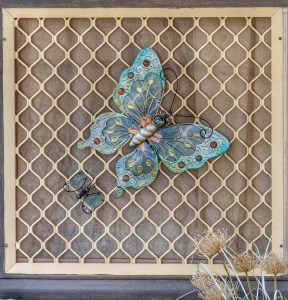
Well, here’s the funny thing. Literally not until I sat down to draft this blog did it occur to me that I have in the last couple of days made what for me seem monumental changes. Or to be more exact, I have put into motion changes that are yet to reveal what if any transformations they might lead to.
You see, over the last few days I have been systematically deleting all my social media accounts (with the exception of a messenger app to speak to my son). I’ve had most of these accounts for up to 15 years or more. So, while I’m absolutely certain that this act of detachment from some of the things in the world that don’t sit well with my nature, I’m still feeling a bit lost, a little empty.
Okay, the butterflies: what have they to do with any of this? Transformation? Change? Lightness? And the ability to float through changes in life? Yes all of these. And we all know very well that butterflies undergo some pretty tough transformations as they evolve into what they are to become.
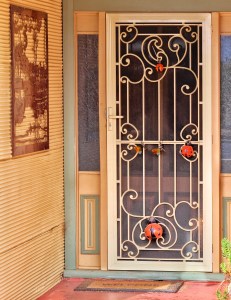
Something I read once said that if you see a butterfly you should look at what you’re thinking; ask yourself what’s next for me? What changes are in store? Although all those butterflies of yesterday were ornaments on walls and so on, I have actually at other times been privileged to photograph living and flying ones.
In fact just the day before yesterday I met a small white butterfly flitting from one white flower to flower. In the space of a very short time, this beautiful creature gifted me with a very small moment’s stillness, and it gave me a photograph. Here i share that one with you.
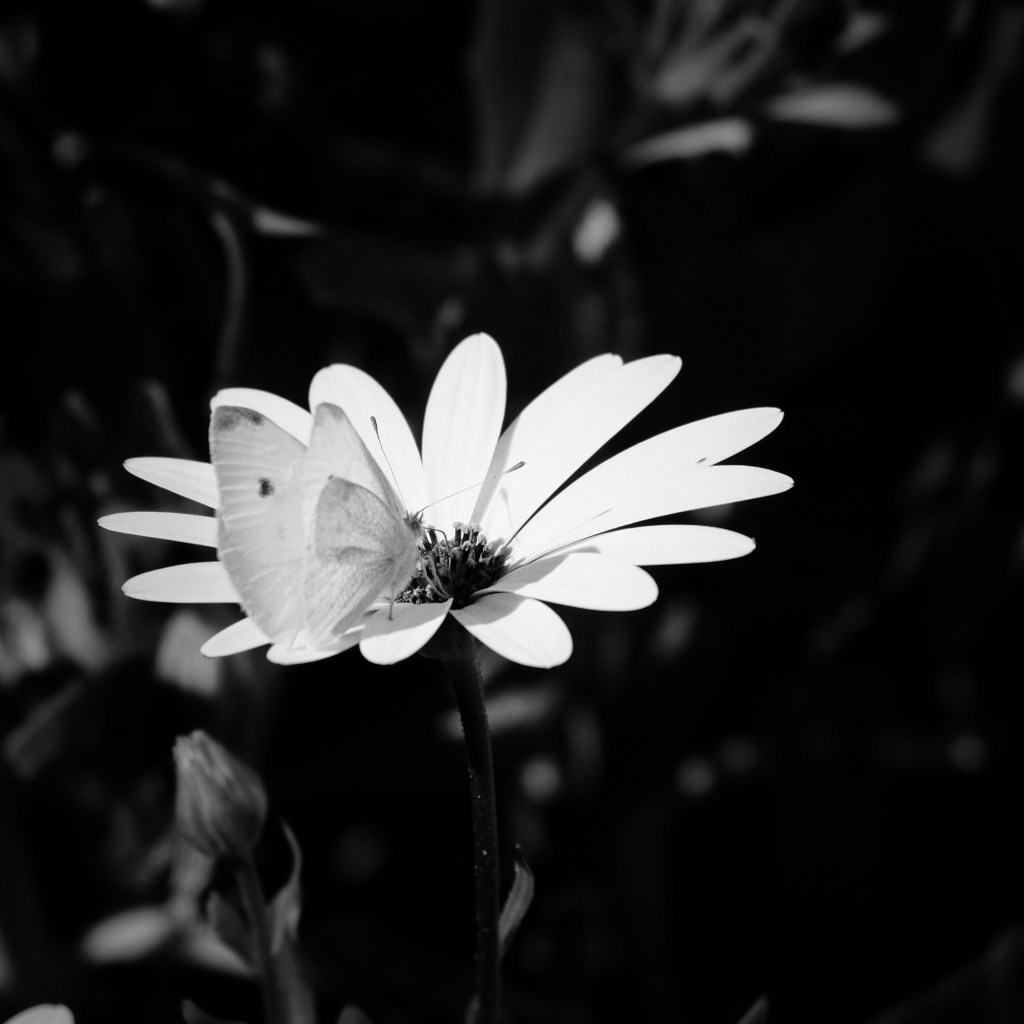
Early Christians associated the butterfly with the soul. So, yes, you could say that my meeting with that particular butterfly was a meeting of souls.
But what of the garden ornament, inanimate butterflies met yesterday?
Well, everything’s got soul don’t you think?
Peace and love

Welcome to another musing from the hermits’ cave. It’s been a while hasn’t it?
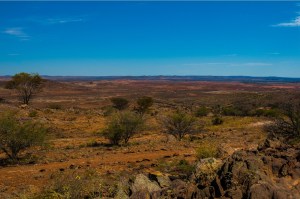
Mind you, I’ve been busy: settling into the new hermitage here in the desert. Actually, it’s been cloudy since we arrived, and raining sometimes. It’s as if the Subtropics have followed us here, except that it’s been freezing.

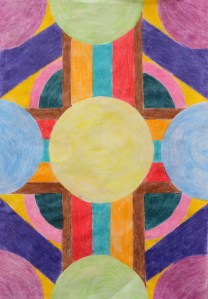
And I’ve been busy colouring in as well. Not as in filling in a picture book designed for colouring, but in making my own patterns and shapes with the one aspiration of making colour happen.
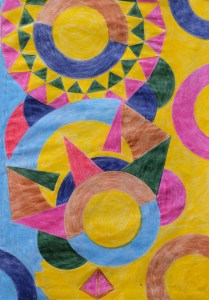
Japanese calligraphy masters will tell you that God is in the ink, or in my case in the pigment of the colour pencils I use. I draw designs, sometimes complex, sometimes simple, then fill the spaces with colour. Sometimes just one or two, sometimes multiple colours.
Why? Well, the simple answer is because I like doing it. I like to see colour covering the page, seeing it slowly fill that empty space. I’m not good at ‘drawing’ and painting in the traditional sense, but one thing I can do is make colour. So I do.
And it’s a sacred act: God is in the ink remember? It’s the making of beauty. And that is a holy act. There’s that aphorism isn’t there? It’s better to light a candle than curse the darkness?
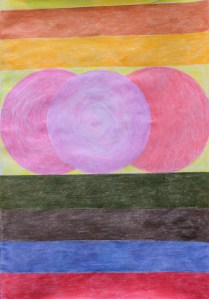
Or, I could say that it’s better to make colour and patterns than it is to be swamped by the darkness.
There’s a Bhagavad Gita verse I like that I came across again the other day:
If one’s thoughts are fully absorbed in the Absolute all his [sic] spiritual offerings also become a part of that same Absolute
Bhagavad Gita 4:24
In other words, all our actions – and we never cease from activity while we dwell in a material body – are not only prayers or offerings to that Absolute (or you can say to God, to beauty, to art, to love, to the universe, to life. Or you don’t have to name it at all. None of the names and forms are relevant) but in fact become that Absolute.
I am a hermit pilgrim, living a contemplative life devoted to the Absolute we just talked about. I have little to offer, but I offer all that I am. And with my photographs, and with my ‘colouring in’, I try to create a little bit of the sacred, a lit bit of colour and beauty to keep us all away from the darkness.
Peace and love
Greetings and Welcome after what feels like a gap of forever since my last post.
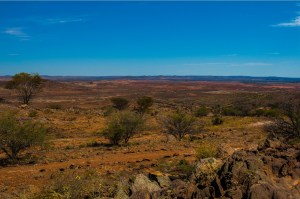
Two weeks today since I moved into a rented house way out here Outback in the mining town of Broken Hill, on the traditional lands of the Wilyakali people whose ongoing presence on this country I acknowledge and give thanks for.
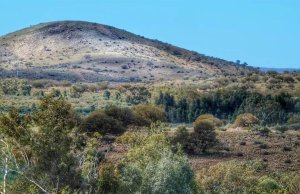
And now, it is the location of my hermitage, my safe haven and refuge. But, no, therein lies the conundrum: I love it here; I know I’ve come to the right place to which I’ve been called. But after two weeks, I’m still not feeling grounded; I’m not really here yet.
Culture shock, fatigue, new environment, excitement; call it what you will; something has me not yet settled and in place. Yesterday a small poem came to me that I think expresses exactly the problem.
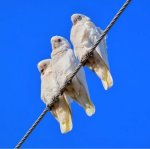
And now I’m sharing it with you as a way of explaining why the gap, why the block.
Peace and love from me to you.
The call to the desert
has been answered.
And now, I am here.
No, to tell the truth, I’m not actually. Here I mean.
So, where am I?
Not there, back there
where I came from.
Not even sure if ‘there’ really exists,
if you know what I mean.
Mind you, when I said ‘here now”
I meant it’s been a short now:
Now that I’m here. Just.
A short stretch – so far.
Here; there; now; so far;
it’s all too much.
And you know what?
It’s all in my head.
In my mind I mean.
A wise teacher once taught:
First thought, best thought.
But for here and now?
As in being here now?
No thought, more like,
is best thought.
Welcome friends to another post
I’m actually scheduling this one to publish sometime in the future. The reason is that, as I reread it now, I see I’ve used ideas, and even some sentences here that appear in a couple of recent posts. The thing is, I think this is a post worth reading, so I’m kind of sneaking it in via a touch of time travel. In any case, please enjoy, and by the way, thank you for sticking with me for this long (however long this is).
It was a revolutionary idea for its time, the early 19th Century. Come to think of it, it still is. A reform minded Christian minister, William Ellery Channing proposed that the proper goal for each of us human beings is perfection.
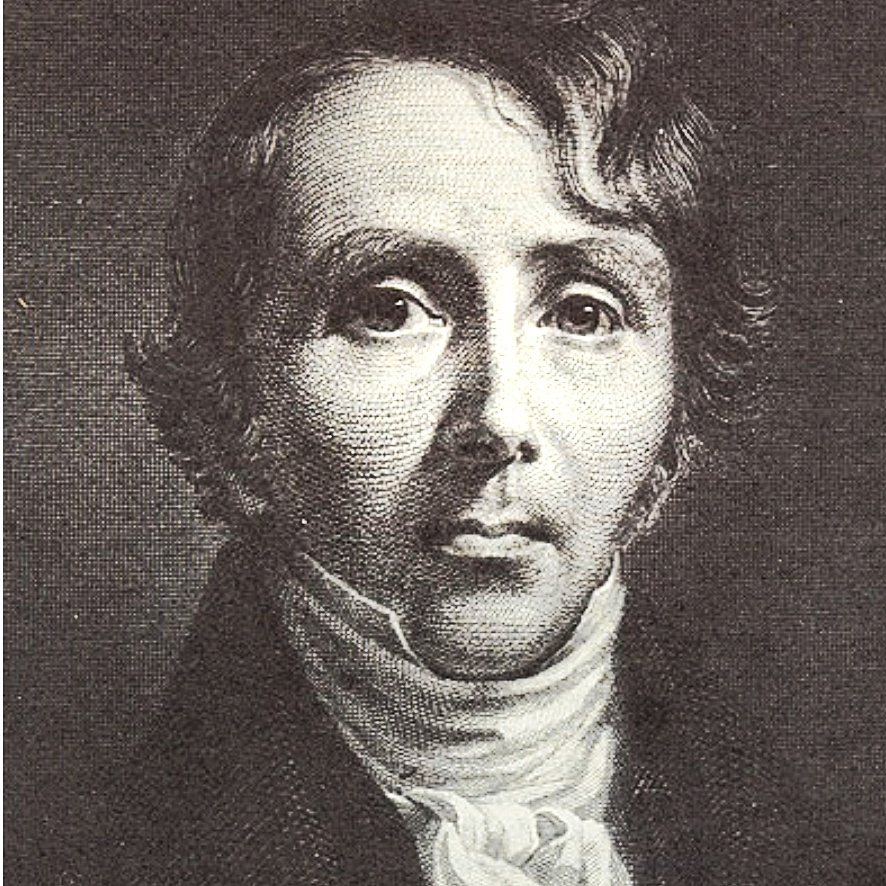
Or rather, the goal should be a realisation of the perfection that is already our true natural state, our true selves, which we’ve forgotten as we have got on with the rarely easy business of living in a material world. You see? I did say it was a revolutionary idea.
After all, he wasn’t talking about the obsessive perfectionism that often curses so many of us anxious types. Or the myths propogated by mass media of what it means to be ‘perfect’. No, he was proposing a complete and thorough shift in the prevailing thinking about the nature of humans, and in reality, of all life.
Anyway, he posed the question:
Do you ask in what this perfection consists?
He then proceeded to answer his own rhetorical question:
I answer: in knowledge, in love, and in activity
When I came across this little vignette in an unrelated book I’ve recently finished reading, I was a little bit mind-blown. Channing’s formula is more or less identical to that presented over millennia in a number of the world’s religious or spiritual traditions.
For example in the tradition I am studying these last years, Sanātana Dharma, this little formula constitutes pretty much the foundation for any kind of spiritual growth. It could be said that in a real sense it is the very basis of all Yoga:
Jnana Yoga (knowledge, study, includes meditation, contemplative practices and so on), Bhakti Yoga (Divine Love. In the sense that love is always divine) and Karma Yoga (often called the Yoga of action. It basically includes everything we do in the physical world. The Karma bit is about our actions becoming selfless).
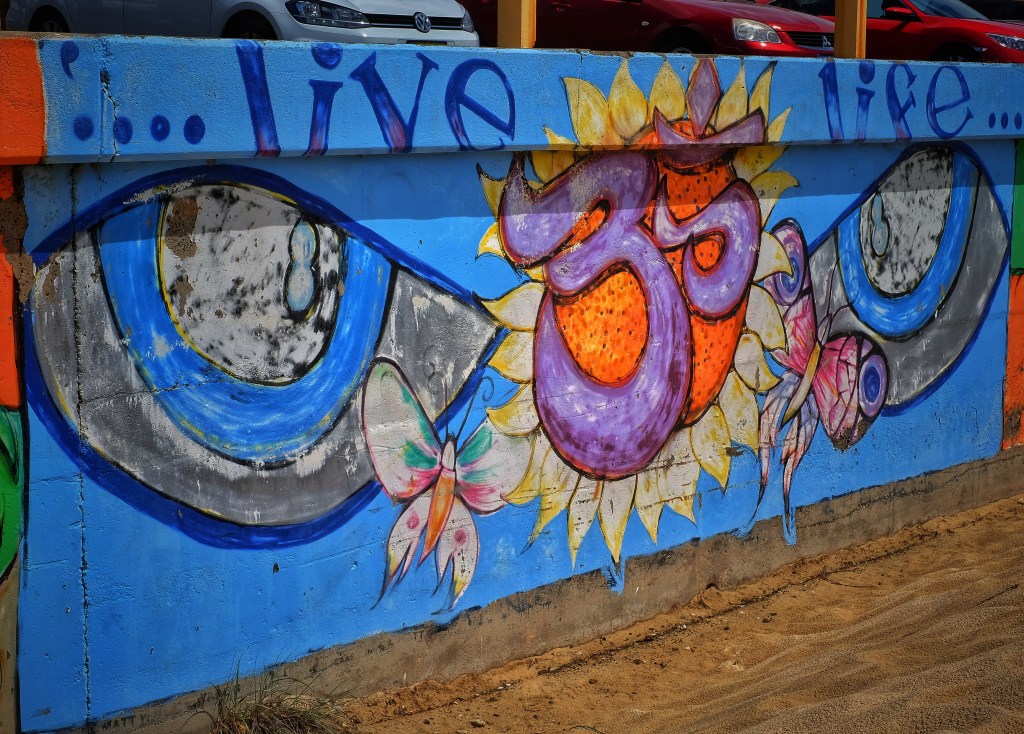
In other words, just sitting there on their own these three Yogas offer a pretty succinct answer to the question many of us ask ourselves constantly: How can I live a good life?

We pursue knowledge for many reasons: it may be a reluctant pursuit as we sit through the interminable years of high school; or later as we head to university or college to train for a career that we hope will support us. The thirst for knowledge might arise when we come upon a topic or an area of interest and fascination that we just have to learn more about.

Just as with the infinity of knowledge, love comes in equally infinite guises. Unlike knowledge, however, I don’t think there are ‘reasons’ we can give for love. Love is love; it is its own reward (and it’s own torture), it just is what it is. Divine is as good a word as any. Any love, all love, is love for all and for everything.

And then there is the kind of knowledge we pursue as we try to answer what I like to call the Who am I? questions. Things such as: What’s the meaning of life? Where am I from? Where am I going? Is this all there is? Oh, and of course the real biggie: Who am I?
Now, at the risk of having to take the prize for the most obvious statement ever made, let me make the point that all living things have to take action all the time if they are to remain alive. So obvious that I’m even having to take several different actions in order to tell you this. So, you might well ask, what’s the big deal? What’s Channing and all the others through the ages getting at? What activity?
Well, I think Channing was getting at the notion that every action we take needs to be informed by knowledge and love. But, what knowledge? Well, clearly we are caught in a tsunami of information much of which goes to making ‘fake’ knowledge, propaganda, deceptive advertising, biased education, and the rest.
In other words how often do we see knowledge not used correctly? And, how often is humanity’s use of knowledge – our actions – informed by love? Now we can begin to realise how revolutionary this idea is, and always has been.
I think that’s why the Sanātana Dharma teachings and world view embody the concept Bhakti, or divine love. As I noted, all love is divine. These teachings tell us that all action is to be undertaken with love, without attachment to rewards or outcomes, and dedicated to the welfare of all life.
Channing had the same idea: for him all life is pure and perfect already. And of course it follows I think that all actions we take have the potential to be informed by a wisdom gained from proper use of knowledge, and to be informed by love, whether it’s for self, for other people, other animals, Earth herself.

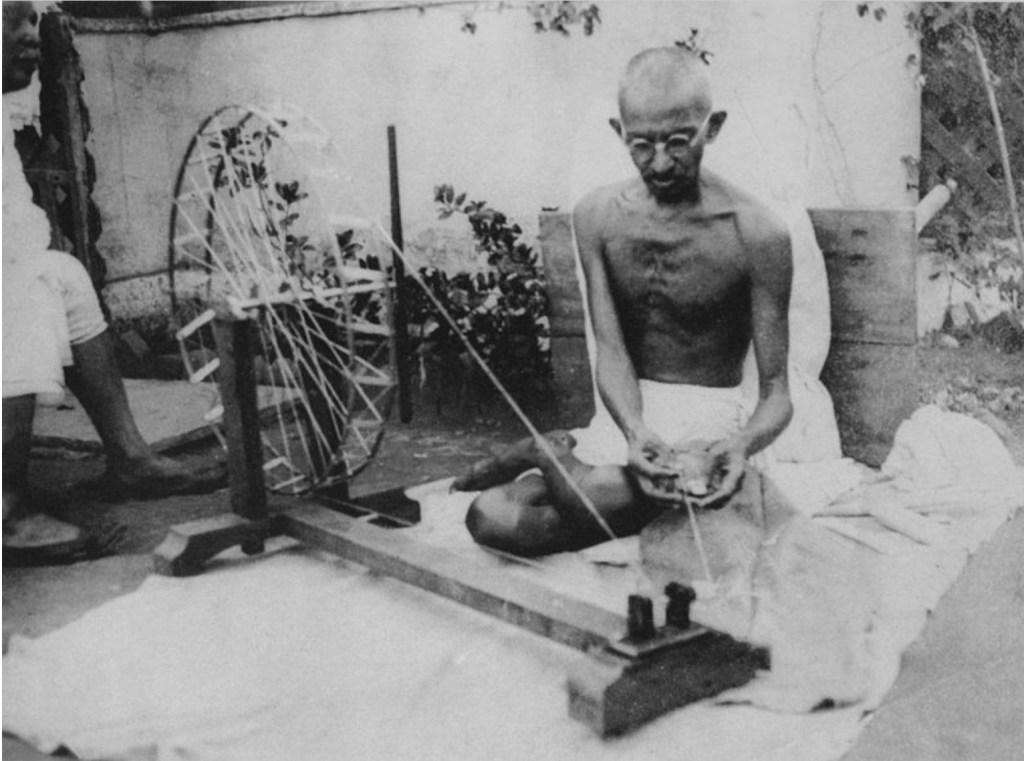
So, pretty revolutionary stuff eh? I guess a lot of us have heard that famous quote from Gandhi:
Be the change you wish to see in the world.
Well, here’s the freaky bit. Just now as I looked up the quote to make sure I got it right, I discovered that he never actually said those words. Not in that form anyway. Here’s what he actually did say. It’s a long quote but I think it’s an interesting note to finish on. I think for me it clarifies many of the questions this little discussion has raised in my own mind, as it will for you I hope.
Knowledge; Love; Activity
We but mirror the world. All the tendencies present in the outer world are to be found in the world of our body. If we could change ourselves, the tendencies in the world would also change. As a man [sic] changes his own nature, so does the attitude of the world change towards him. This is the divine mystery supreme. A wonderful thing it is and the source of our happiness. We need not wait to see what others do.
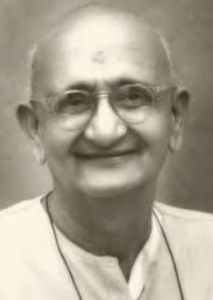
Mohandas Gandhi
Peace from me to you






 Notes from the Hermit's Cave