Sometimes, when the ears can hear and the eyes can see, there are many signs and wonders to be witnessed; there are communications to be recieved from some seemingly other source than inside our little physical, material selves.
Birds, they say, sing with the voice of God, their song being the song of the Universe, so that the rest of us may hear. Or if you like, a bird’s song opens up within us a kind of portal to the true or Higher Self so we may hear the words of the Divine within.
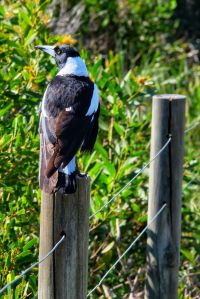
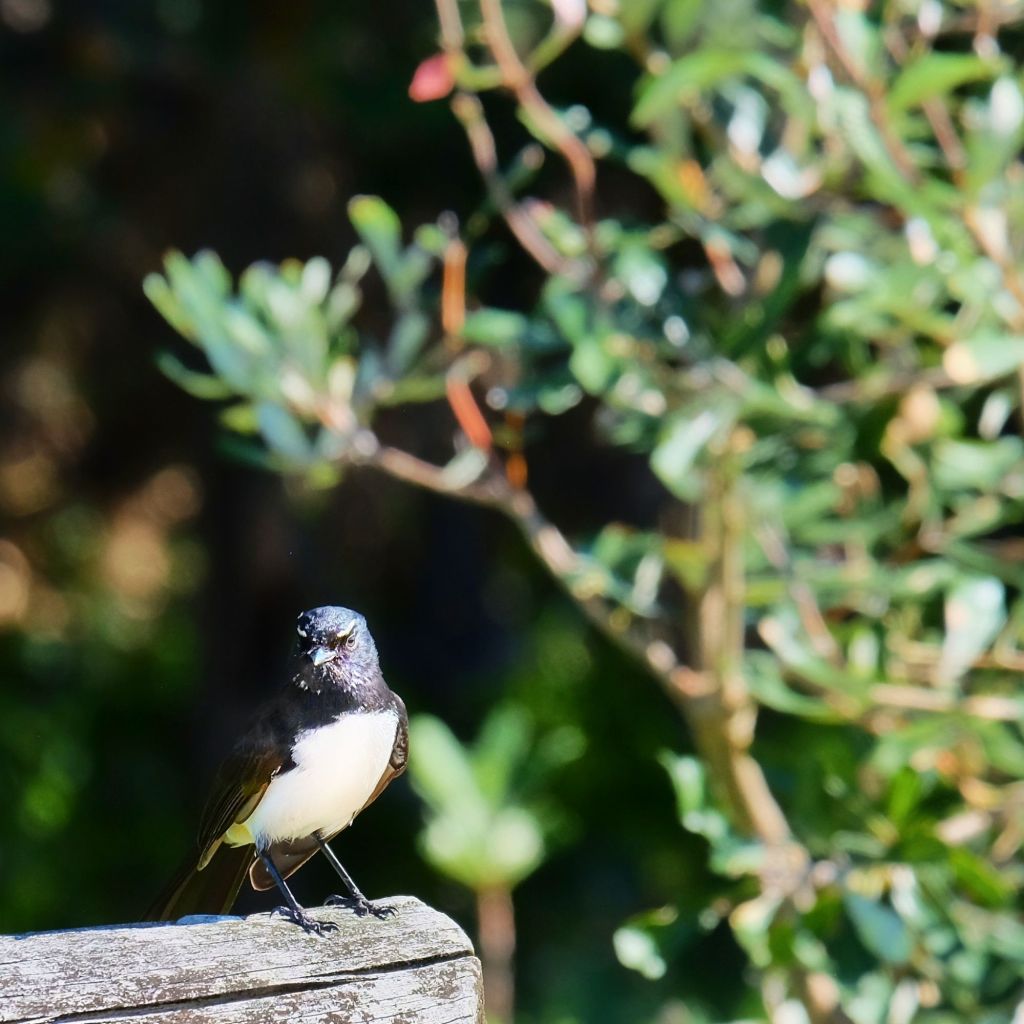
There is a particular bird that we have often heard, though never seen, who is close to our hermitage, though we also hear others with the same song from farther away. The song seems simple, but it is profound.
Two sounds, 1,2. Two notes in slightly different keys. Like the hoot of an owl but not low and deep as I imagine an owl’s voice might be. But not especially high or shrill either. Flat? No I wouldn’t say so: each note is unique.
Some days ago my partner hermit was ‘just sitting in the hermitage garden, not focusing on anything in particular, when she heard the bird’s voice again.
And then without volition or any bidding on her part, the words Let Go seemed to superimpose themselves over the two notes of the bird’s call.
Naturally, she shared what she had heard with me, a message from or via the winged one. So, when next I heard the bird call, I automatically heard Let Go, Let Go. Now, it’s difficult to not hear the message in that short song.
But there’s more.
From time to time the bird’s call (or that of a more distant relative) becomes a three part call, 1,2,3, with the first note short, very short but seemingly with a particular stress of its own. Quickly this new variation morphed into the expanded message, Just let go. Sometimes Let go, sometimes Just let go.
But, wait, there is even more, hence this story I am sharing with you now.
Last night, in the dark and quiet of early morning wakefulness, I heard the bird once again, another new variation: again the same 1,2,3, but now with a fourth note added 1,2,3,4,. Now I heard Just let go now.
Let go of what? No need to ask: just let go of random, chaotic, and repetitive thoughts; release tension and worry, fear and anxiety. When? Now. You can’t let go in an hour, or tomorrow, or next Wednesday. There is only now.
This is the song of the cosmos that we have heard. As I can hear, now in the distance, the two tone variation: Let go, let go.
Yesterday I went a little further afield than usual on my (theoretically) regular walk. We have two lakes within walking distance to the hermitage, and it was to one of these I ventured yesterday. I say further afield because I did in fact end up walking further than I’d planned..
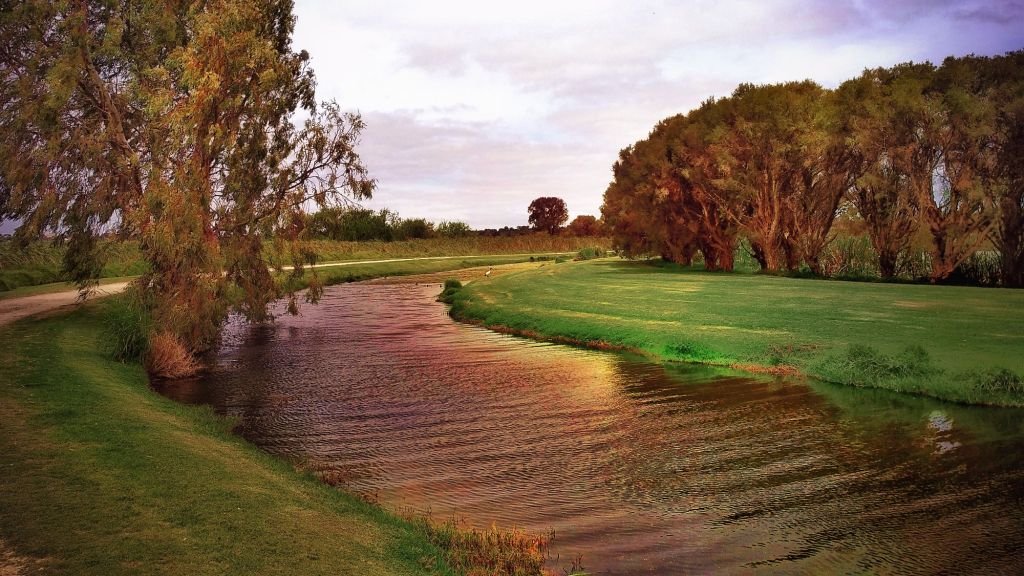
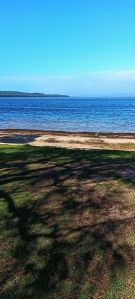
The lake is called Budgewoi, and is really more a huge lagoon and part of a system called Tuggerah Lakes. I walked along part of the lakeside path and it was a lovely, quiet, and peaceful outing.
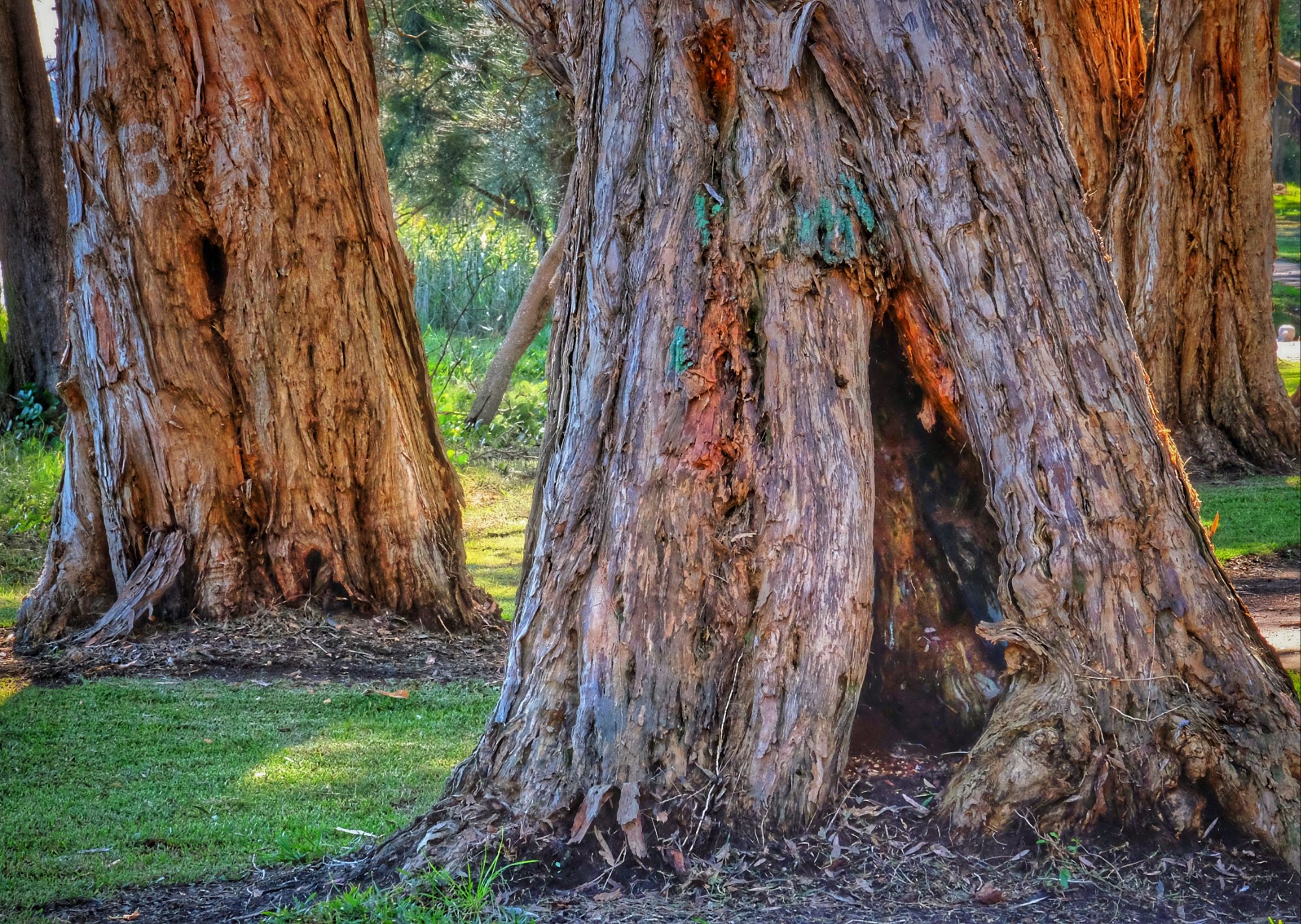
The foreshore has been covered in grass and other landscaping, but there are clumps (I call them groves, but not sure if that’s the right name or not. Groves does sound a lot better than ‘clumps’ though) of trees dotted along the way. Some of these standing ones appear to be old indeed.
Many of these groves line the shore and many attracted my attention and my camera’s eye. The poem I share today speaks of an encounter with a small grove of three. Small grove, but large and ancient trees.
Initially, I paused at these trees because the composition of the scene caught my eye, and my heart soon followed as I reflected, and listened to these old neighbours.
Please accept my small sharing of this effort to put down in words my experience there.
Namaste
OLD NEIGHBOURS
Were the words spoken? Certainly they were heard by one with, sometimes, the ears to hear.
Roots running deep, nourished by ancient Life; branches reaching to the gods of the sky. ‘We been neighbours long time’. As of one voice, or so I heard, these three standing ones, sharing a lakeside home place besides which I paused, in golden light.
Old neighbours – together lived and together shared the times of plenty, and the times of trial; endured the inundation of the waters, and the years when the waters withdrew, and all that came between.
Witness to the comings and goings of the winged ones; of the four legged; of the two legged, these standing ones – these tree people – have stood resolute. Prevailing always.
My pausing is but a fleeting thing spent reflecting in their shade and space. Yet a moment of pause can have no measure. Not for neighbours and their two legged friends.
Varuna and Surya. the Hindu deities of sky and all Earth’s waters (Varuna), and our sun (Surya). These names resonate for me. I like how such great natural phenomena fundamental to our existence on this planet, can be ‘personalised’ in this way.
I find that having acquired symbolic or representational names for sky, water, and sun, has allowed me to somehow relate to the inherent giving and preserving of the energies that power all life that water, sky, and sun provide in a prayerful, thankful way. Kind of makes it personal.
Let me put aside for a moment the obvious scientific reality that tells us we can’t live long without water, can’t live at all without the gases in our atmosphere, and if the sun goes dark for whatever length of time it is, then all life ceases to exist.
How many times have I stood in awe watching a sunset?
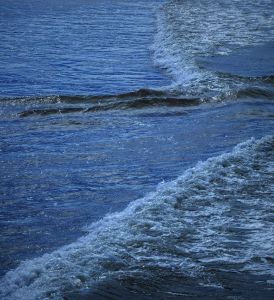
Or watched as big waves rolled in with a surfer hoping for a ride?
How many times have I welcomed the sound of rain on a roof and the sight of it nourishing trees or other life
And how many times have I sat on or walked along a riverbank feeling uplifted and a little more grounded?
Many, many times is the short answer. Varuna and Surya are constant presences in our lives. And I am grateful for the life-giving and life-sustaining natures of their existence.
Sharing with you today, a little poetic expression of one of those times when sky, water, and sun, gave me just a little more than those fundamental material energies.
ONCE AGAIN VARUNA AND SURYA
Once again, Varuna and Surya are coming to make rescue. They arrive on – as in fact they are – the currents and eddies of the river of life. In this way, the natural order remains in motion.
Shared with love
from Paul the hermit
Flow river go, past the shady tree. Flow river flow, flow to the sea. Flow river flow, flow to the sea.
Thanks to Roger McGuinn for one of the classic flowing on a river songs.
Earlier today I took my camera out for a walk. Which is to say, I had an intention that the walk would be more than exercise for the body (very much needed as it is), but also an opportunity for my eyes and heart to open up a little to the tiny part of the world I was to pass through.
I also hoped that my mind would join in so that I would be able to actually recognise what I was seeing and feeling, allowing me to perhaps make images of what I saw and felt.
One final prayer: In doing its job, I hoped my mind would stay focused, and work behind the scenes very quietly.
A few minutes walk from the Hermitage is the shore of a fairly large lake, and when I reached that spot, I sat on a conveniently placed little wall, so I could, well, just sit for a bit.
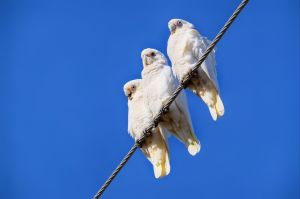
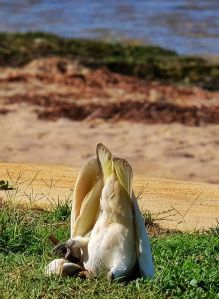
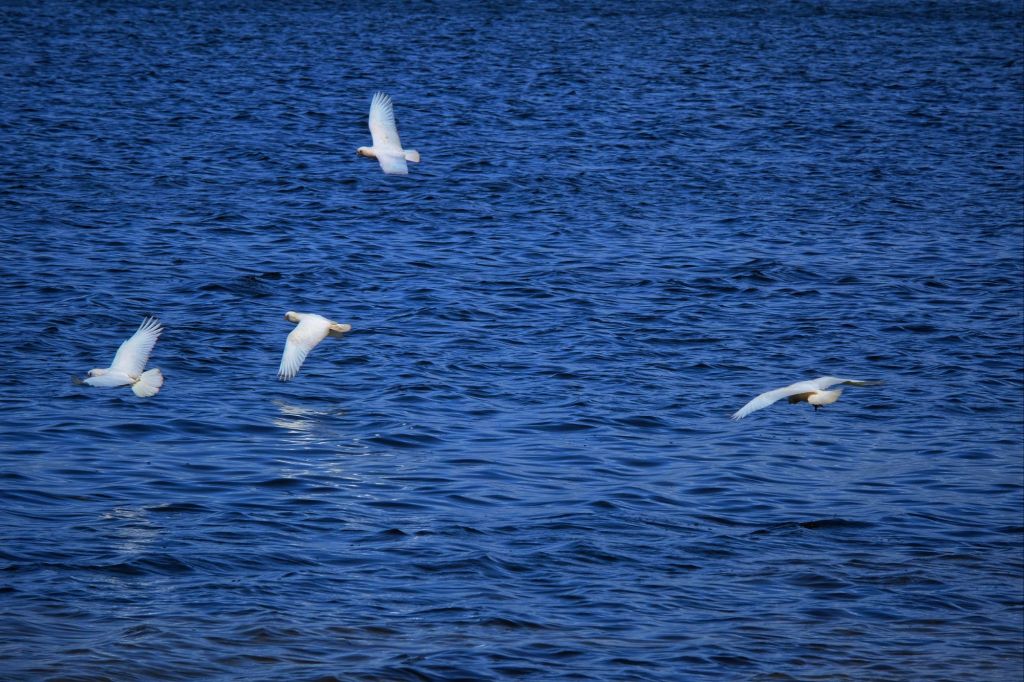
By chance, um. Sorry, let me rephrase that. By the brilliant synchronicity that results from the perfect working out of the natural laws of the Universe, right in front of me, nearer to the water’s edge, a dozen or more Corellas played and foraged. At least to my limited human eyes, that’s what they were doing.
Zoom in and share the fun!!
It’s mesmerizing watching them: tumbling with each other or on their own; picking up and wrestling with twigs and other small things. I was blessed too, to witness several of these creatures taking off, in flight, and landing.
You might have heard me say (or read when I wrote) that ‘I was just not there’. Well, not today; today I was definitely there. In a contemplative reverie in which I felt connected with what I was witnessing through my lens.
‘I had a small sense of being relaxed,’ I commented casually to my community when I arrived back at the Hermitage. And that’s what it felt like: I had relaxed for a time. I can’t say I was aware of the passage of time; it was more an eternal being in the moment if I was to try to label it now. It might have been thirty minutes or ten by the world’s measure; I have no idea really.
I’m only ever going to be a beginner when it comes to paying full attention, to contemplating and being completely immersed in the moment, and not forgetting trying to control the monkey mind. Practise will never make perfect in that department!
Anyway that’s why spiritual practices are called practices: they require the spiritual seeker to be committed to a life of ongoing and continual practise.
Of course encountering those birds at the lake today is definitely a practice I would be happy to practise anytime!
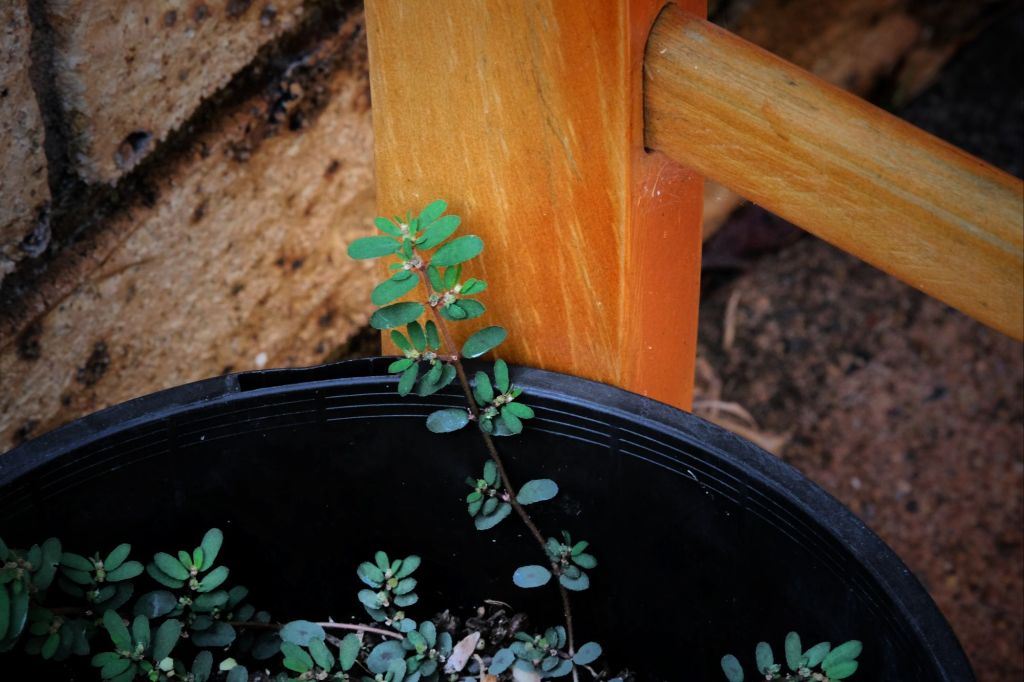
Reaching for freedom is what I called this photograph that I made today. But, is it really? I mean is the plant actually in reality ‘reaching for freedom’?
Well, thus far, science can only tell us something like: This plant is programmed by its DNA to grow upwards towards the light.
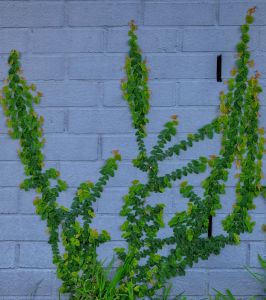
Another climbing plant, in another place. Kind of looks like a painting, but it’s real
True, of course, but, here in this scene, that one shoot in the centre does appear to be reaching for the chair leg – perhaps for support? It’s quite common for me to see plants using all kinds of supports to do their upward growing (think Ivy on a wall). I think that in a few weeks, that tiny shoot might just be half way up that chair leg – or maybe higher!
So, as I came across this little scene, I questioned. No, questioned isn’t the right word. When I saw this reaching happening only a day after placing that plant pot in that spot, I made a declarative statement: I said, ‘There is an intelligence at work here.’
Am I saying that this little plant has a brain that is continually figuring out strategies for the plant’s growth and other behaviours?
Am I saying that there is a ‘god’ up there in some heavenly domain who is in charge of getting plants down here on Earth to grow in the right direction?
No, to both questions. I don’t and can’t accept either of these supposed ‘possibilities’.
But, are there some kind of universal laws that regulate and control how the Universe flows, behaves, evolves and the rest? More likely I think.
Again I am not suggesting there is some kind of controlling ‘entity’ separate from the material universe, or a supercomputer somewhere that’s running the whole thing. More a kind of energy or essence that’s built into all material things, and that is an element of the very existence of things.
A regulatory principle, I guess you could call it. But not some imposed or externally dictated regulations, laws, or controls. I think it’s more natural than that: existence is its own regulator and controller. Or so it seems to me in my good moments – such as when I witnessed this unfolding and evolving life drama.
Japa, or the chanting of the names of God or the Divine, is a central spiritual practice for me. In fact, as time goes by, it becomes even more important for me as I try to spend more time chanting than not!
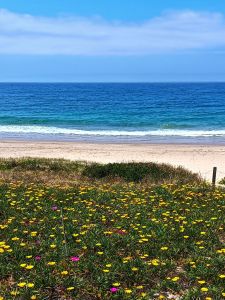
With Japa in mind I climbed yesterday to the crest of the sand dune on which our current hermitage is situated, to spend a while with the sea and the dunefield flowers, the birds, and as I planned to be doing some chanting, also with those unseen aspects of the Divine that I would be addressing with my words.
As seems to be happening quite often these days when I immerse myself in the beauty that is to be found all around me, all that is to be seen and experienced ‘up there’ as it’s come to be called, a poem wrote itself about yesterday’s particular excursion and experience.
I share it with you now in the hope you will enjoy reading it; thank you for reading it!
Perched upon the crest of a sand dune, I chant the names of the Lord Hare Krishna Hare Krishna Hare Rama Hare Rama
I am still; the Lord’s names vibrate in my mind. But Varuna’s energy washes saltwater back and forth in the middle distance. Sea waves manifest from depths unknown. Sea waves dissolve on the shore in the middle distance.
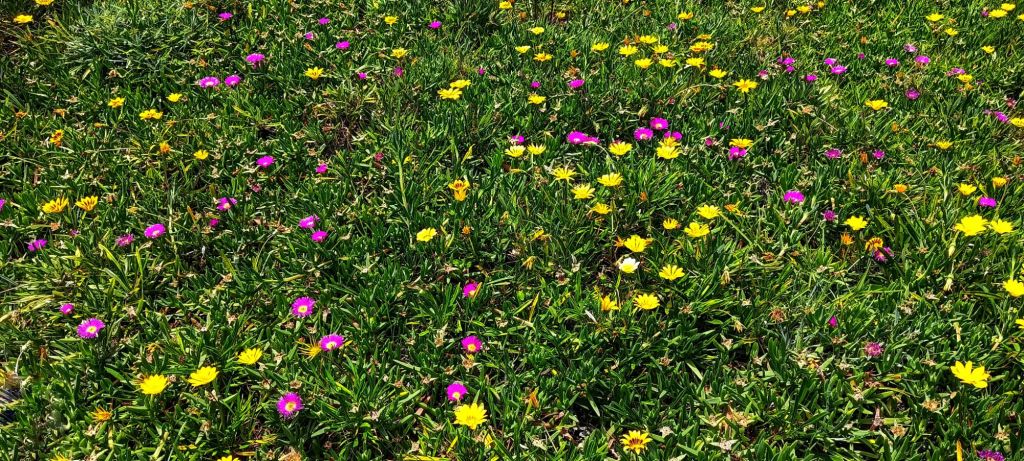
Now, in the near distance, near to me where I rest and chant on sacred ground, flowers with yellow heads, purple heads, wave in the wind as if ecstatically dancing to a holy Kirtan gifted them by the wind.
These myriad jewels in the dunefield join me in my japa. Or is it that I merge with their sacred dances?
It’s neither, and yet it’s both: The beautiful blooms are me, and I am them. We are the One, Chanting and dancing the names of the One.
‘I like writing reverent things,’ I said to my partner Hermit. I’d just shown her a poem I had written about a walk earlier in the day on the track on the crest of the sand dune near the hermitage.
Yes, it’s true I thought later. I do write around themes of solemn respect, deep praise, of love, of appreciation of beauty, of devotional things. About my devotion to all that is Divine – which of course is eveything that is!
The walk began as a bit of a struggle, a bit challenging, though the challenge was eased somewhat by some winged friends. I know I’ve been writing a bit about angels lately, but this time the winged ones were birds. Mind you, angels can and do take many forms. Perhaps those birds were angels after all!
Anyway, as I recorded the original version while still ‘slogging’ through the sand on the track, I did so without intention. But, what emerged is, in my heart, a song of praise for those winged friends.
BIRDS IN THE BUSHES
Lumbering and stumbling, sometimes shambling through deep and shifting drifts of sand along coastal track on the crest of dune. Slow going on the track. Plodding.
But there are birds in the bushes alongside the track. Birds in the bushes twitter their encouragement. Is it twitter? Is it tweeter? Is it twirp? Twirping? Are they twirping? Are they trilling?
In any case, there is encouragement in their serenade. So, I continue on. Plodding still but a little lighter.
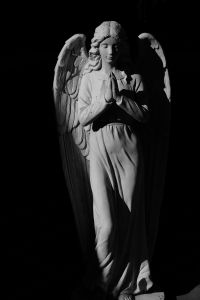
Another poetic and photographic note to share with you today. In the last month or so I’ve written two poems which are about angels. And both connected in some way with rain, or at least impending rain in one and actual rain in the other.
Initially I thought to just include the most recent of the two, but as I put my fingers on the keyboard it just seems to be emerging that I shall share both with you. And as you know I’m not one to ignore the demands of what types me!
Anyway, I offer them to your for your reading pleasure and perhaps cause for contemplation. Last shall be first in this matter I think. Enjoy please!
Angels, they are everywhere. Perhaps there are more than we know? Personifications of love, of compassion. Of charity too.
ON THE TEARS OF ANGELS
Is it good that angels cry? Anyway, why do they cry at all?
To wash away all the sorrows, to cleanse, to purify, to make new. And to ease the world’s pain.
Then, there are those of us who can’t conceive of ourselves as angels.
For those ones – each and every one – the tears of angels are cathartic; granting catharsis.
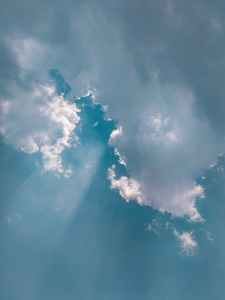
A CLOUD ANGEL SEEN
An angel wing seen in a cloud, ephemeral, gossamer. And the angel? She stands concealed within the silver linings of clouds, neighbouring clouds, heralding a soon to be descending deluge.
Surya’s life-giving energies shine upon scattered and drifting, yet converging, patches dotting the clear blue sky. Silver linings, so they say, granted to those scattered grey clouds.
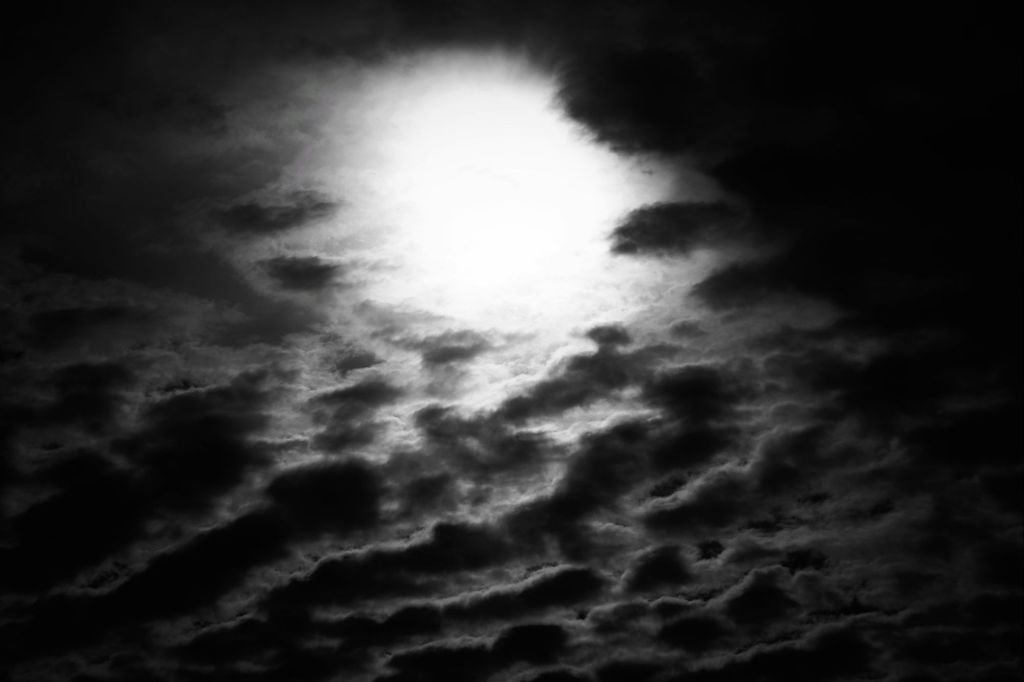
Those clouds, those grey scattered and converging clouds, bless. Bless the domain of Varuna, God of the skies with the potential for change. All forms change.
Clouds, silver-lined or no, are Varuna, for he is also God of the skies. And now, with clouds’ convergence, the expectancy ends: the change begins.
The Sun, still present, yet his light blotted out by those very clouds – joins Varuna In the form of the cloud. Alchemy.
From the convergence of energy and matter water droplets emerge; Varuna has remanifested, and falls to wet Earth below.
To cleanse the dust from all things living and non-living. From the feathers of the winged-ones; From the fur of the four-legged; To quench the thirst of the Tree People. And to moisten the throats of us, the Two Legged.
Thank you my friends.
May your day be blessed by both Surya and Varuna, in the correct measure and balance that is for the benifit of all beings.
These last few days I’ve been researching and thinking about an idea for a blog post. But I’ve come to realise that I am grossly underqualified to write about the topic I had in mind. Let me put it another way: I am completely and utterly unqualified in any way whatsoever to go there. In fact, after all the research, I think I’m going to disqualify myself from ever going there in writing.
However, I’m a great believer in the idea that no quest for knowledge is ever a waste of time or effort; there is always something to be learned. During my research I came across a topic I believe I am qualified to discuss, as it forms an integral and vital part of my own personal spiritual practice.
Why I’ve decided to write this post, though, is because I made a discovery that lead to an insight that I know will lead to a great progress in that practice. It’s nothing new, not really, but it was one of those occasions we’ve all experienced of ‘I knew that, but now I really know it.’ For me, it was a realisation of something that till then had been a nice cosy theory and belief.
Bhakti Yoga is that practice. It is really a key foundation, a valuable component of my spiritual life.
Wikipedia opens its entry on Bhakti Yoga (see the link just above) with a description of the practice that mirrors what I think is the traditional understanding of Bhakti Yoga:
Bhakti Yoga (also called Bhakti Marga, literally the path of Bhakti) is a spiritual path or practice within Hinduism focused on loving devotion towards any personal deity.
In the same entry there is a description of the origins and meanings of the two words, Bhakti and Yoga:
The Sanskrit word Bhakti is derived from the root bhaj, which means “divide, share, partake, participate, to belong to”. The word also means ‘attachment, devotion to, fondness for, homage, faith or love, worship, piety to something as a spiritual, religious principle or means of salvation’.
The term Yoga literally means “union, yoke”, and in this context connotes a path or practice for ‘salvation, liberation’. yoga referred to here is the ‘joining together, union’ of one’s Atman (true self) with the concept of Supreme Brahman (true reality).
For some, dancing while chanting the names of their God, demonstrates their devotion and celebrates their union with each other and with God
In other words, those called to a religious or spiritual life, practise Bhakti Yoga whenever they pray or otherwise express devotion towards their personal conception of God, or the Divine. This particular definition seems to be saying that such a conception of the Divine, or God, is in the form of a personal deity who is a kind of representative of true reality, which the devotee is aspiring to join with.
Some Bhakta Yogis are full-time, full-on practitioners. People like contemplative nuns or monks, hermits who retire from the world into seclusion. Anyone basically whose entire life and activities are spent in devotion.
So, when I discovered all this, I became intrigued; I decided to go off on a tangent and explore the word Bhakti itself. Wikipedia has a separate entry for the word on its own:
Bhakti is a term common in Indian religions which means attachment, fondness for, devotion to, trust, homage, worship, piety, faith, or love. In Indian religions, it may refer to loving devotion for a personal God
…
is often a deeply emotional devotion based on a relationship between a devotee and the object of devotion.
…
In ancient texts the term simply means participation, devotion and love for any endeavor.
May refer to devotion to a personal god? While I thought this entry doesn’t contradict our first quote above, it does seem to broaden, and deepen, the meaning of Bhakti. Expand might be the better word.
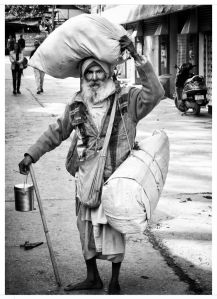
In some traditions a simple life on the road is a way to commit full time to Bhakti or devotion.
It struck me that that object of devotion might be anything. Or even everything. You see? I told you it wasn’t a new idea. It’s just that it’s resonated deeply within me now. It appears that the object of Bhakti Yoga practice doesn’t necessarily have to be a ‘personal god’.
Many many people would say ‘I like animals’ or ‘I think we should save the world’. But, while that may imply a kind of love for or at least a fondness for, I think Bhakti is something more – actually several somethings more!
For example, some people have a particular attraction to and love for, the ocean, or it might be a river they view as, if not sacred in a religious sense, then as special to them in some deep, comforting, even therapeutic way. Others have similar relationships with and feelings for trees, or even a particular tree.
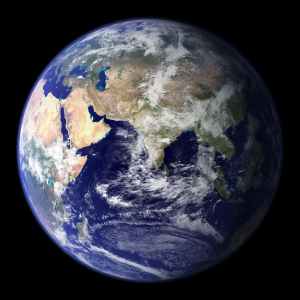
Animals as either individuals or as a species or group, can have the same appeal and call to other people. Then there are those who feel strongly in their hearts you could say, that Earth itself is a sacred object, or others have a knowing that the planet is a living entity and worthy of our devotion.
Bhakti begins with love and devotion, which is about caring for, affection towards, loyalty to, emotional engagement with the object of devotion. But even more than that, there is faith in that object of devotion; faith as in trust, confidence that the love is real, that the ‘relationship’ is sound and real.
Homage and worship too are key aspects of Bhakti. The deep inner feeling we have towards a thing, person, or other being, that is beyond what we normally call ‘love’. It’s about seeing and actually realizing ‘in our hearts’ our desire to be merged or united with that thing, person, or other being.
Actually, seeing that word other just now got me thinking. I had to go back and reread our definition of Yoga up there near the beginning. It says Yoga means ‘union, yoke’. It goes on to add: yoga refers to a ‘joining together, union’.
This passage seems to be suggesting that Yoga (in our case Bhakti Yoga) is both an already existing union, and a process of joining together to achieve union. One thing I would say here is that in my practice of Bhakti (and love as a general thing to strive for and be) it’s both.
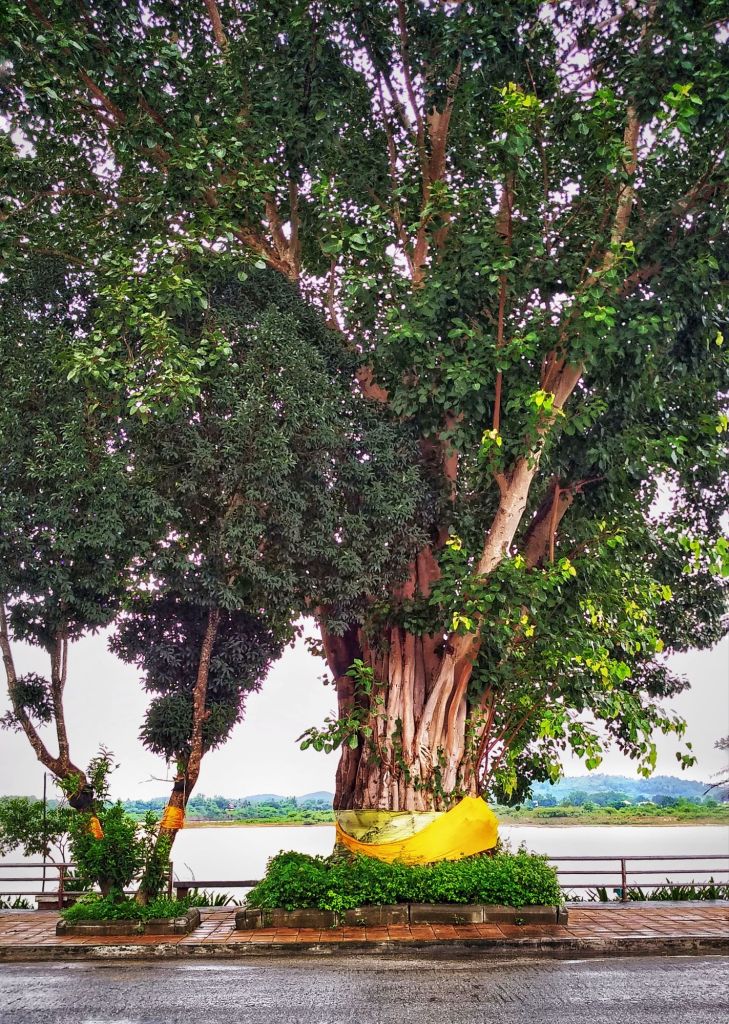
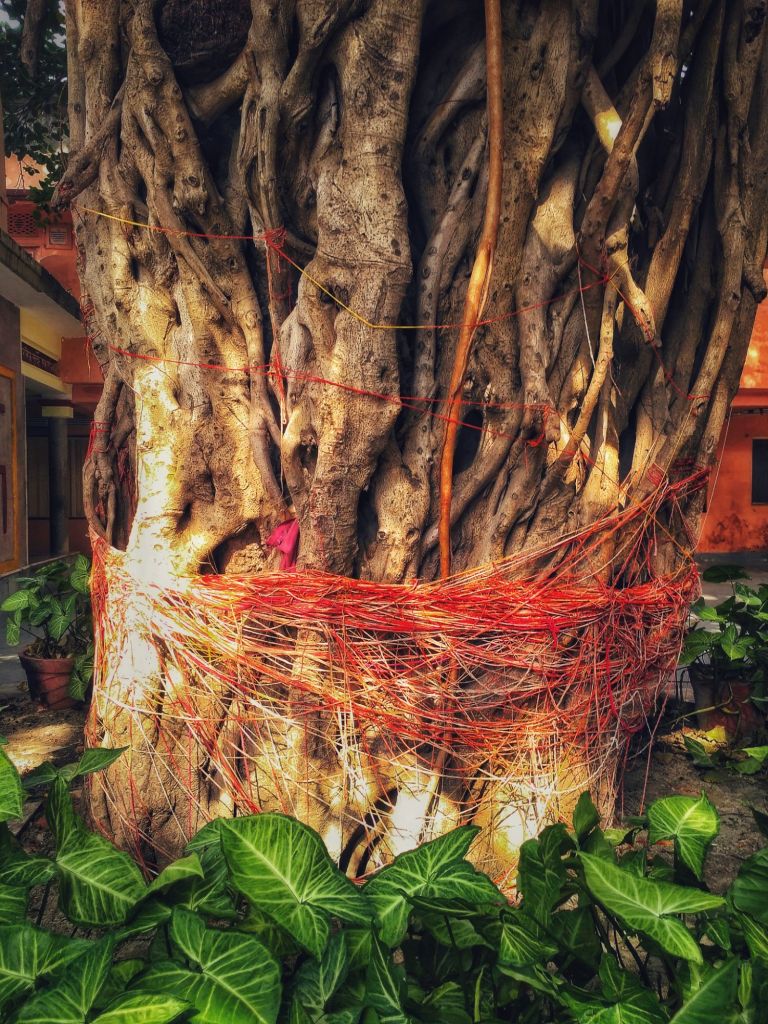
Trees are special beings for many people from a whole variiety of cultures all over the world
But, in the end, it seems to me that the process or practice, the path of Bhakti, serves to awaken us, to assist us to acknowledge, recognise, and realise in that really knowing way, our pre-existent true nature.
That true essential nature can be said to be the reality of our oneness with all things, living and non-living. And their oneness with us too of course. In fact, by putting it that way, I’m saying there is only one, or oneness. What’s that expression? One without a second.
May you be a Bhakta Yogi. Or, perhaps you already are one?
Love and peace from Paul the Hermit
Life has manifested itself as the multitudinous forms that comprise the universe. It is the one Universal Life, Power or Shakti (the laws of the universe or natural laws) that controls, guides and actuates all movements and activities in all beings, creatures and things.









 Notes from the Hermit's Cave